All-inclusive or not?
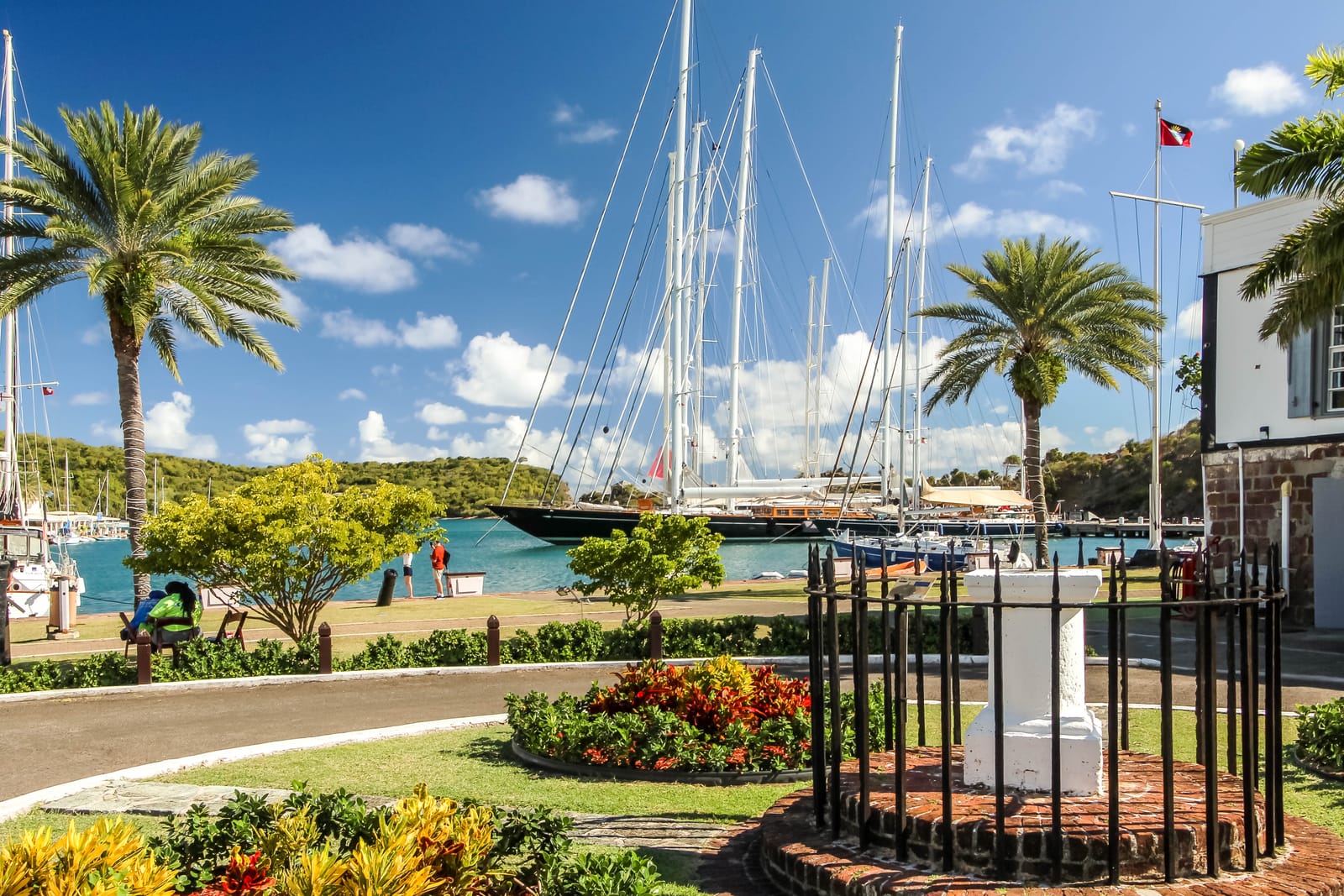
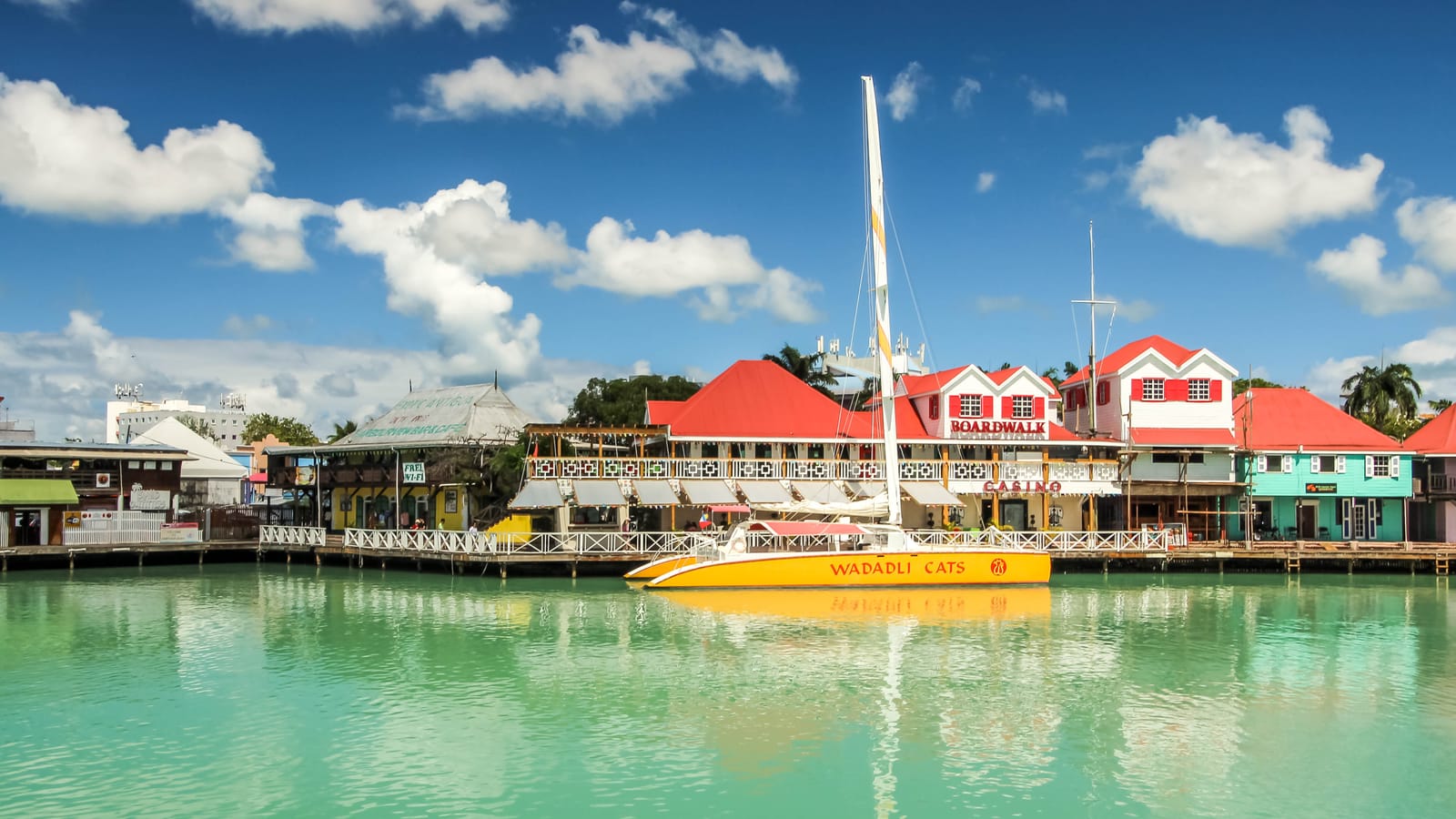
Antigua has a lot of all-inclusive resorts and they make sense if you want to switch off completely, especially on the north-west headlands where there is nothing within walking distance anyway. The trade-off is real, though: the island’s food scene — the beach bars at Ffryes, the restaurants around English Harbour, the roti stands in St John’s — is one of its genuine pleasures, and an all-inclusive package quietly prices you out of using it.
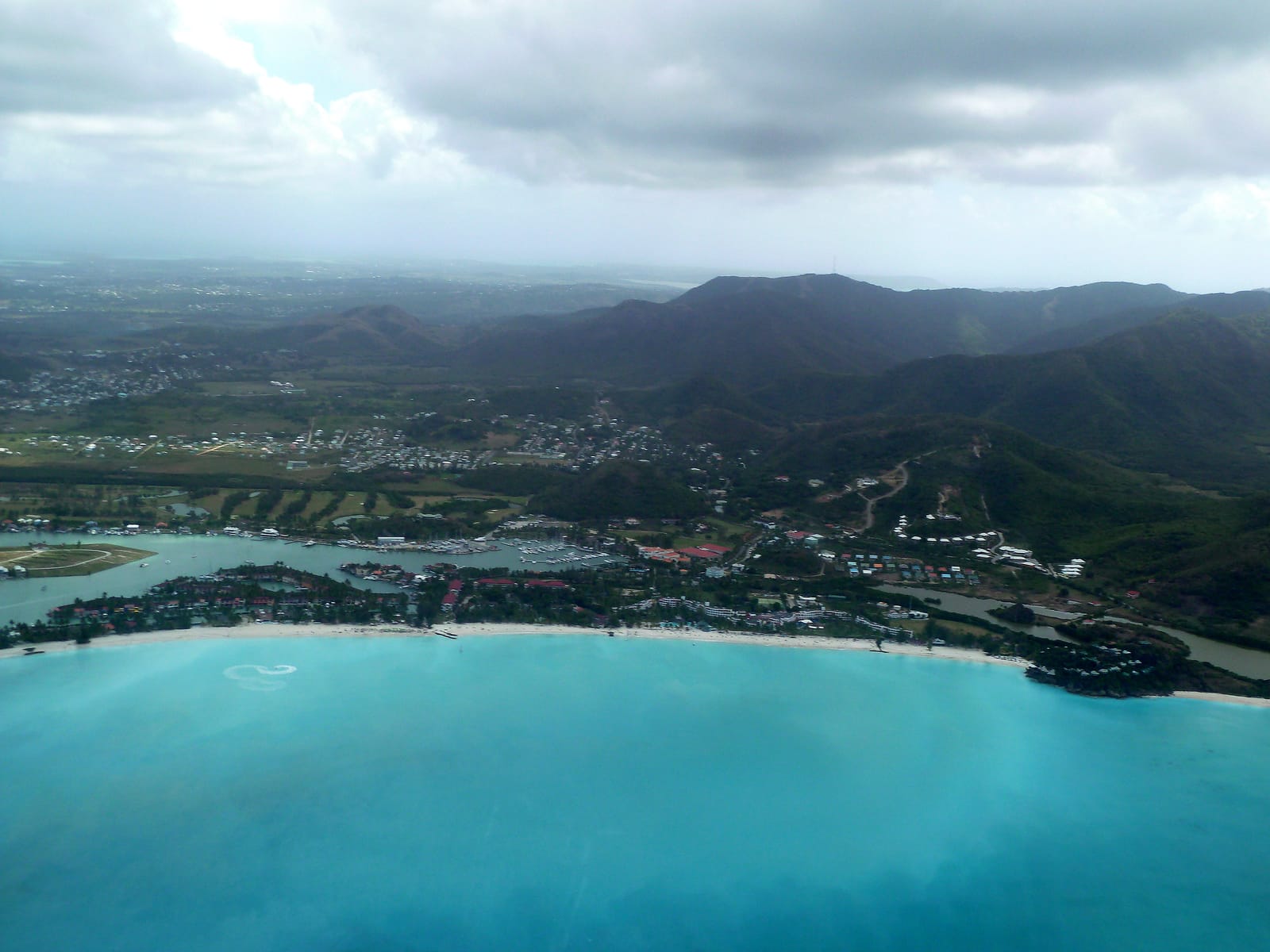
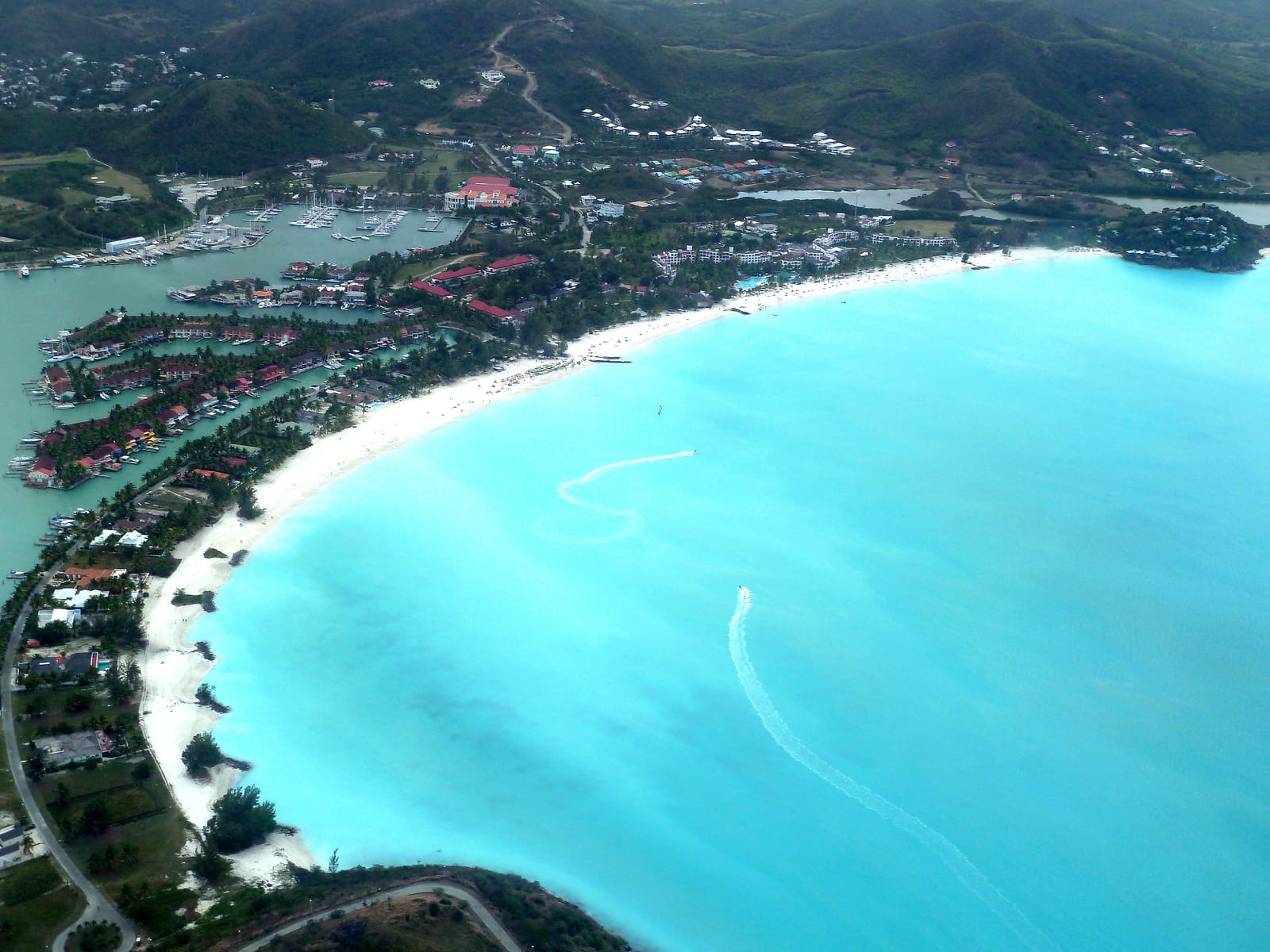
A reasonable middle path is bed-and-breakfast on the west coast with a hire car, or self-catering at Jolly Harbour where the supermarket is good and a dozen restaurants are walkable.
What a room actually costs
High season runs mid-December to mid-April, and Christmas and New Year are a category of their own — expect to pay double and to find minimum-stay requirements of five to ten nights. Rates fall sharply from May, and the deepest discounts are August to October, which is also the peak of hurricane season.
As a rough guide: guesthouses in and around St John’s from about US$90; mid-range west-coast hotels US$180–300; well-known beach resorts US$300–600; the north-west luxury properties US$600 and up. Self-catering villas at Jolly Harbour sleeping four often work out cheaper per person than two hotel rooms.
Booking tips for Antigua
Book early for the winter high season — the best-value properties on the west coast go first, and Sailing Week (late April) and Carnival (late July to early August) fill English Harbour and St John’s respectively.
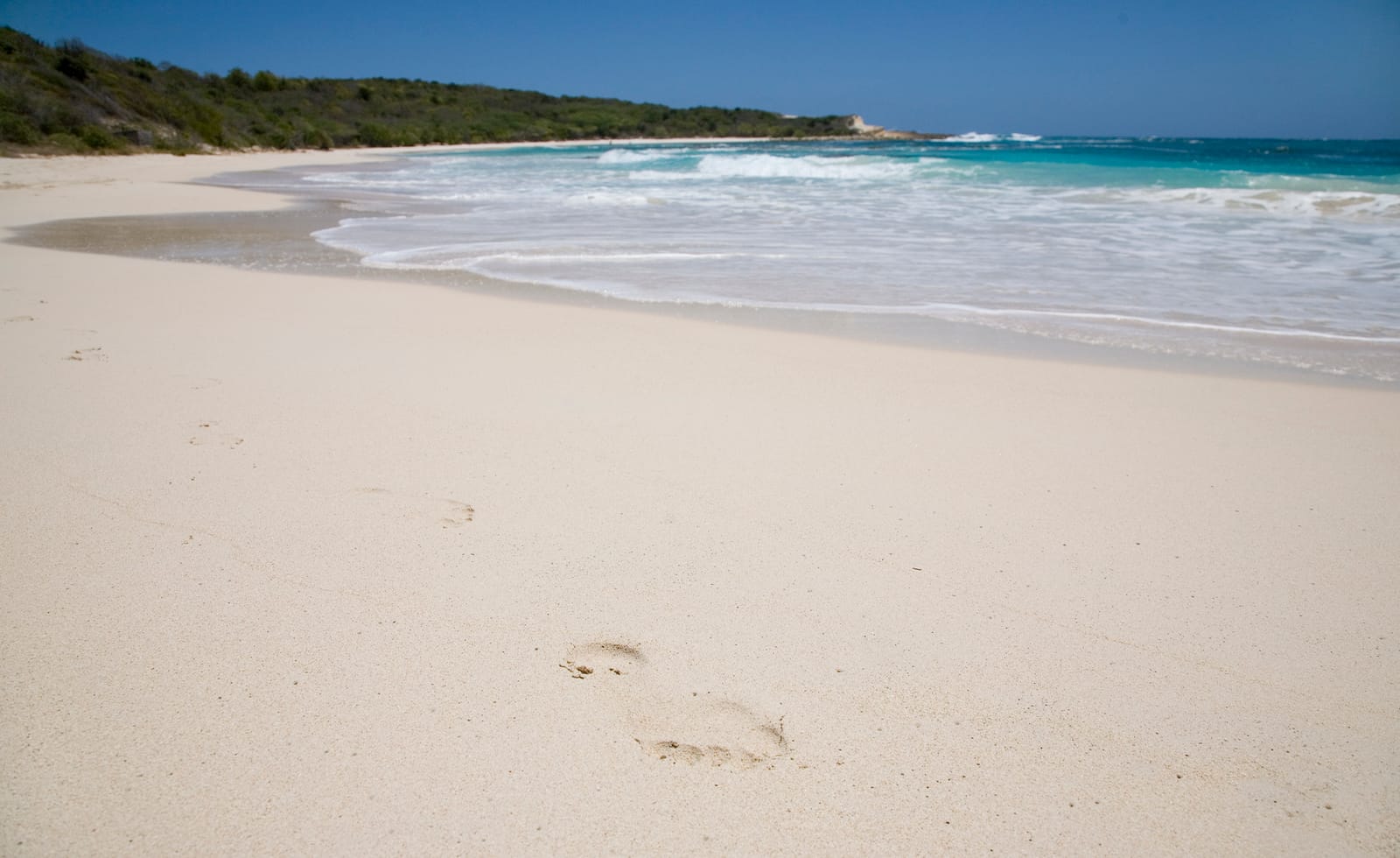
Check what “beachfront” means. Some hotels sit on a road with a beach opposite; some are on a headland with a swimming platform rather than sand. And check the transfer time from V.C. Bird International Airport: 20 minutes to Dickenson Bay, 35 to Jolly Harbour, 45 to English Harbour, and longer to the far east coast.
 from $180