Skip to content
Heritage & history

St John’s

The capital, the market and the quays

St John’s is a real capital rather than a resort town: about 22,000 people, a working port, government offices, schools and a market, laid out on a grid that runs downhill to the harbour. It has been the seat of government since 1632, and its two white baroque towers — the Cathedral of St John the Divine, rebuilt in 1845 after an earthquake — are visible from most of the north of the island.

Cruise ships dock right in the centre at Heritage Quay, which means the two blocks nearest the water are duty-free shops and the ten blocks behind them are the actual city. Walk uphill for five minutes and you are in a Caribbean capital going about its day, with rum shops, roti stands, hardware stores and some very fine, very tired timber buildings with fretwork balconies.

Top things to do at St John’s

  1. The Cathedral of St John the Divine

    The current building dates from 1845 and was designed to be earthquake-proof — a stone shell around an entirely separate interior of pitch pine. The result is strange and rather beautiful, and it is free to walk in.

  2. The public market on a Saturday

    The market at the southern end of Market Street is at full volume on Saturday mornings: Antigua Black pineapples, soursop, dasheen, saltfish, seasoning peppers and a great deal of conversation. It is the best hour you can spend in the city.

  3. Museum of Antigua and Barbuda

    Housed in the 1750 courthouse on Long Street, this small museum runs from Arawak pottery to the sugar era to Viv Richards’ cricket bat. It is modest, honest and takes about 45 minutes.

  4. Redcliffe Quay

    Restored warehouses around a cobbled courtyard, now shops and cafés. The buildings were once part of the slave-trading quarter, a fact the site does not hide, and it is a far more pleasant place to sit than Heritage Quay next door.

How to get to St John’s

  • On foot: everything above is within a fifteen-minute walk of the cruise terminal, and the city centre is compact and flat near the water.
  • By bus: minibuses run from the West Bus Station (for the west and south) and the East Bus Station (for the east) for a couple of US dollars. They leave when full rather than to a timetable, and rarely run on Sundays.

Insider tips

  • Antiguans dress neatly. Beachwear in town — and especially in the cathedral — reads as rude rather than casual.
  • Prices at Heritage Quay are aimed at cruise passengers. Walk two streets inland for local prices on food and drink.
  • Sunday is very quiet: most shops shut and the buses barely run. Plan a beach or the Shirley Heights party instead.

Best tours & tickets for St John’s

These top-rated experiences are the easiest way to enjoy St John’s and the coast around it:
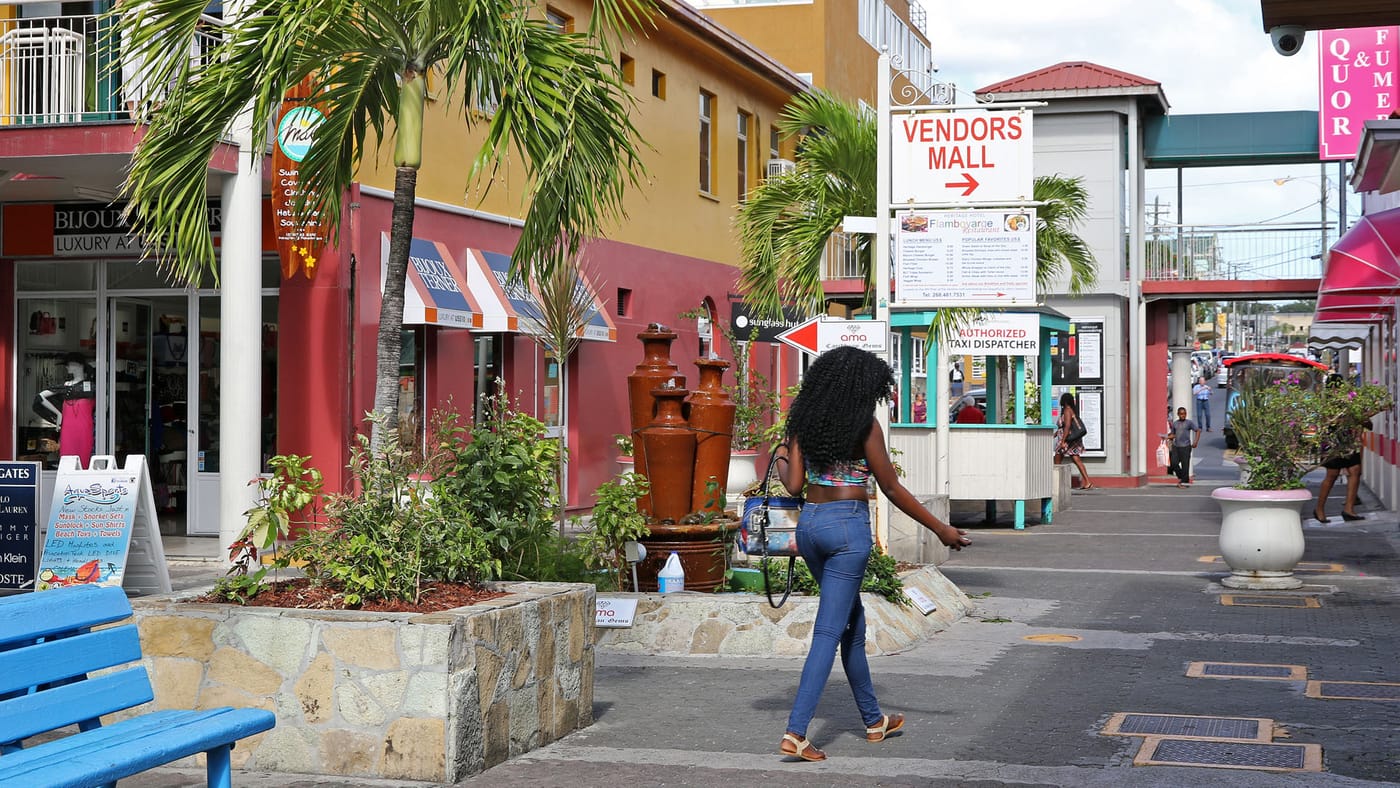
Colourful streets and harbourfront of St John’s, Antigua City tour & beach transfer from $32
🕒 Approx. 3 hours 📍 St John’s cruise port ✨ New

Antigua: Trolley Train City Tour, Beach Time & Water Taxi

A neat, low-cost answer to the classic cruise-day question: how do I see St John’s and still get to a beach? The open trolley loops the capital past the twin-towered St John’s Cathedral, the public market and the quays, then a water taxi runs you across the harbour for beach time before returning you to the port. From about $32 it costs less than a taxi would, and everything is timed around ship departures.

  • Open trolley loop of St John’s — cathedral, market, Heritage and Redcliffe Quay
  • Water taxi across the harbour to the beach
  • Beach time before heading back to the ship
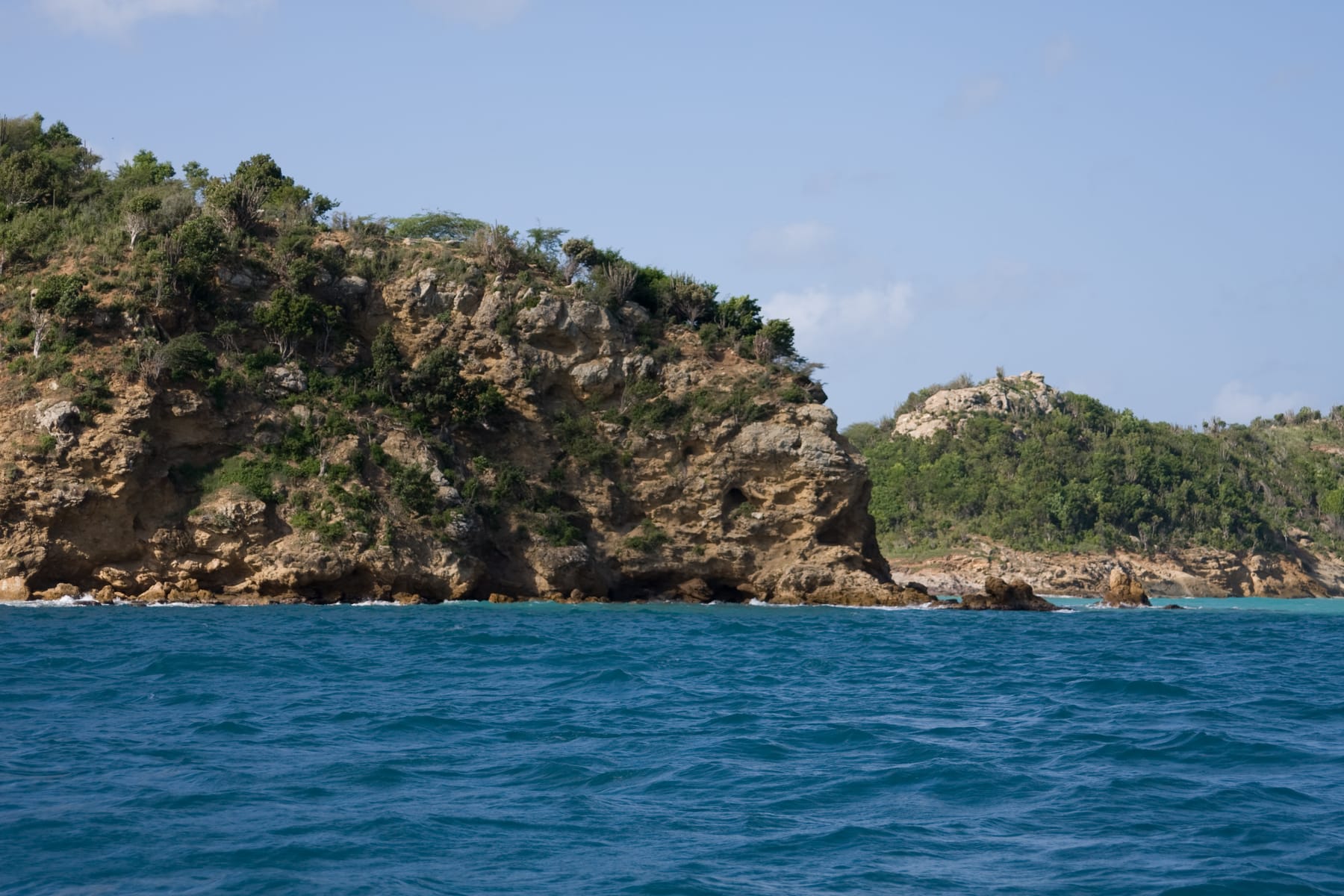
Rocky Antigua shoreline with turquoise sea and low green hills Small-group island tour from $60
🕒 Approx. 3 hours 📍 St John’s, with pickup available ⭐ 5.0 (2)

Antigua: Small-Group Island Highlights with a Local Guide

If you only have a morning — a short cruise call, a departure day, a first orientation — this is the sensible choice. A local guide takes a small group around the island’s highlights, filling the drive with the kind of context you cannot get from a map: which villages grew from which sugar estate, where people actually swim, what the cricket means. At around $60 it is the cheapest way to get properly oriented before you strike out on your own.

  • A genuinely local guide rather than a script
  • The island’s headline sights in a single, efficient loop
  • Small groups, so questions actually get answered
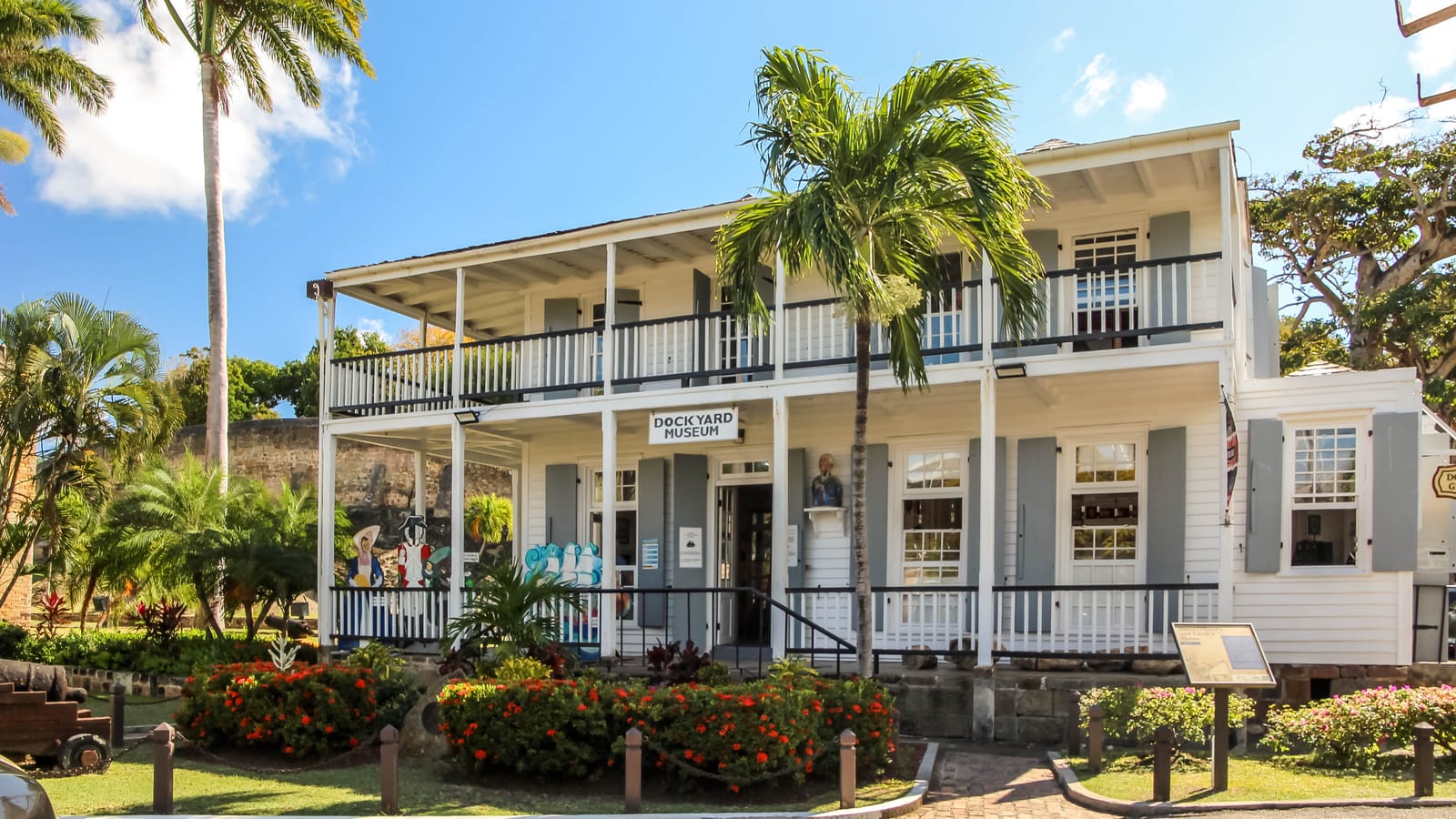
Georgian brick and stone buildings at Nelson’s Dockyard, English Harbour Guided half-day tour from $68
🕒 Approx. 4 hours 📍 St John’s cruise terminal or selected hotels ⭐ 4.6 (211)

From St John’s: Half-Day Historical Tour & Beach Escape

The best-value way to understand Antigua in a morning. You leave St John’s at 9am, climb to the Blockhouse and Shirley Heights for the postcard view over English and Falmouth harbours, then take a 45-minute guided tour of Nelson’s Dockyard — the only continuously working Georgian naval dockyard left anywhere in the world. The tour finishes with an hour on the sand and in the water before dropping you back by 1pm. At around $68 it is the cheapest guided history-plus-beach combination on the island.

  • Guided walk through UNESCO-listed Nelson’s Dockyard
  • Photo stop at Shirley Heights and the Blockhouse lookout
  • Drive through the villages of Freeman’s and Liberta

St John’s FAQs

Is St John’s worth visiting?

For a half day, yes — the cathedral, the market and the museum give you the human and historical side of Antigua that the resorts leave out. It is not a beach destination, so pair it with an afternoon on the coast.

Is St John’s safe for visitors?

The centre is fine by day and busy with locals going about their business. Use the same sense you would in any city: keep valuables out of sight, and take a taxi rather than walking unfamiliar streets after dark.

What is there to do in St John’s on a cruise day?

The cathedral, Redcliffe Quay and the museum are all a short walk from the ship. If you would rather combine the city with sand, the trolley-train tours pair a city loop with a water taxi to a beach and get you back in good time.

Nearby places

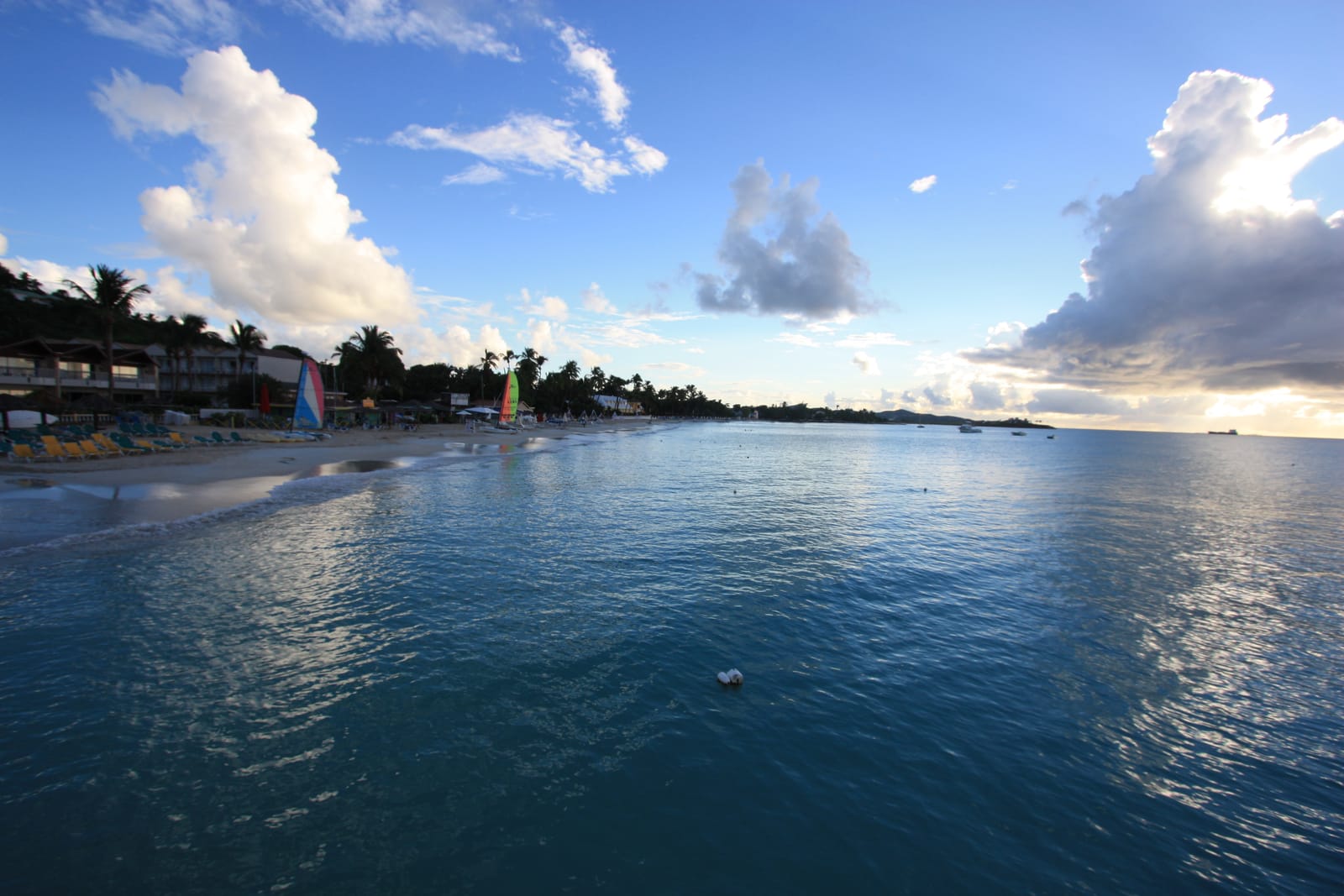
The long pale sand crescent and calm water of Dickenson Bay, Antigua Beaches & bays

Dickenson Bay

The busy, brilliant north-west beach

Antigua’s best-known beach and the heart of the north-west resort strip: a long crescent of pale sand and flat, shallow water, with beach bars, watersports operators and sunset views straight out to sea. Not the quiet option — deliberately.

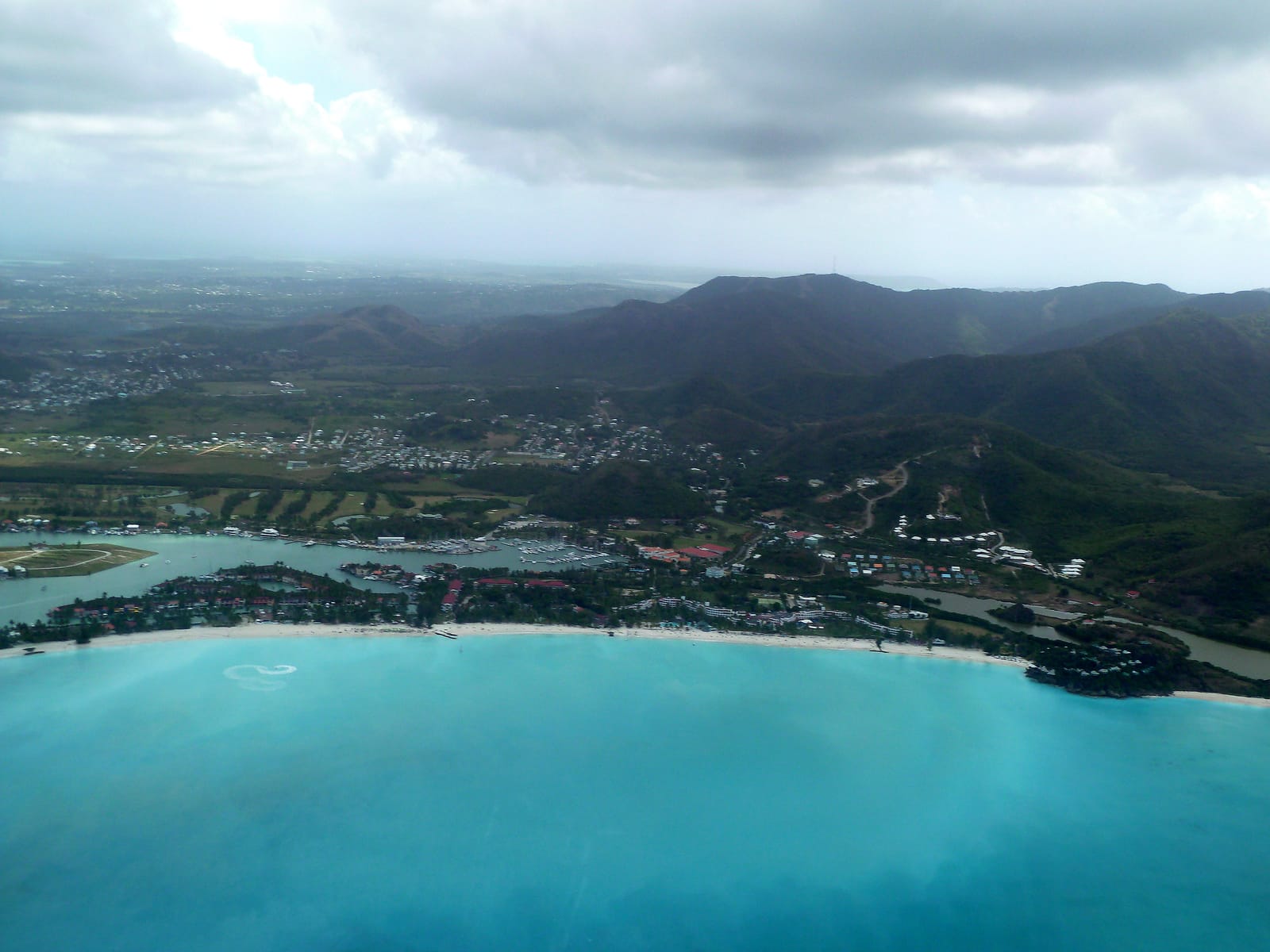
The marina, villas and beach at Jolly Harbour on Antigua’s west coast Beaches & bays

Jolly Harbour

Marina village and the long west beach

A purpose-built marina village on the west coast with a supermarket, a golf course, restaurants around the docks and the long sweep of Jolly Beach next door. The most practical base on the island for self-catering, boats and families who want everything walkable.

Restored stone sugar windmill at the Betty’s Hope plantation, Antigua Heritage & history

Betty’s Hope

Where Antigua’s sugar story starts

The island’s first large sugar estate, founded in the 1650s and worked for three centuries by enslaved Africans and their descendants. One of its twin windmills has been restored to working order, and the small visitor centre tells the plantation story without flinching from it.

Plan your island days

Make Antigua and Barbuda the trip you never stop talking about

A beach for every day of the year, a UNESCO-listed Georgian dockyard, warm water in every month and a sunset party that has run for four decades. Compare tours, tickets and cruises and book in a couple of taps.