Skip to content
Where to go

Things to do in Antigua and Barbuda

Twelve places we would send a friend to, grouped by what kind of day you want — heritage, beaches, wild coast or Barbuda.

Antigua rewards a hire car more than almost any small Caribbean island, because the good things are spread out and the drives between them are short. From St John’s you can reach the dockyard in 45 minutes, Devil’s Bridge in 40 and the west-coast beaches in 25.

Each guide below covers what there is to see, how to get there, when to go and which tours include it.

Heritage & history

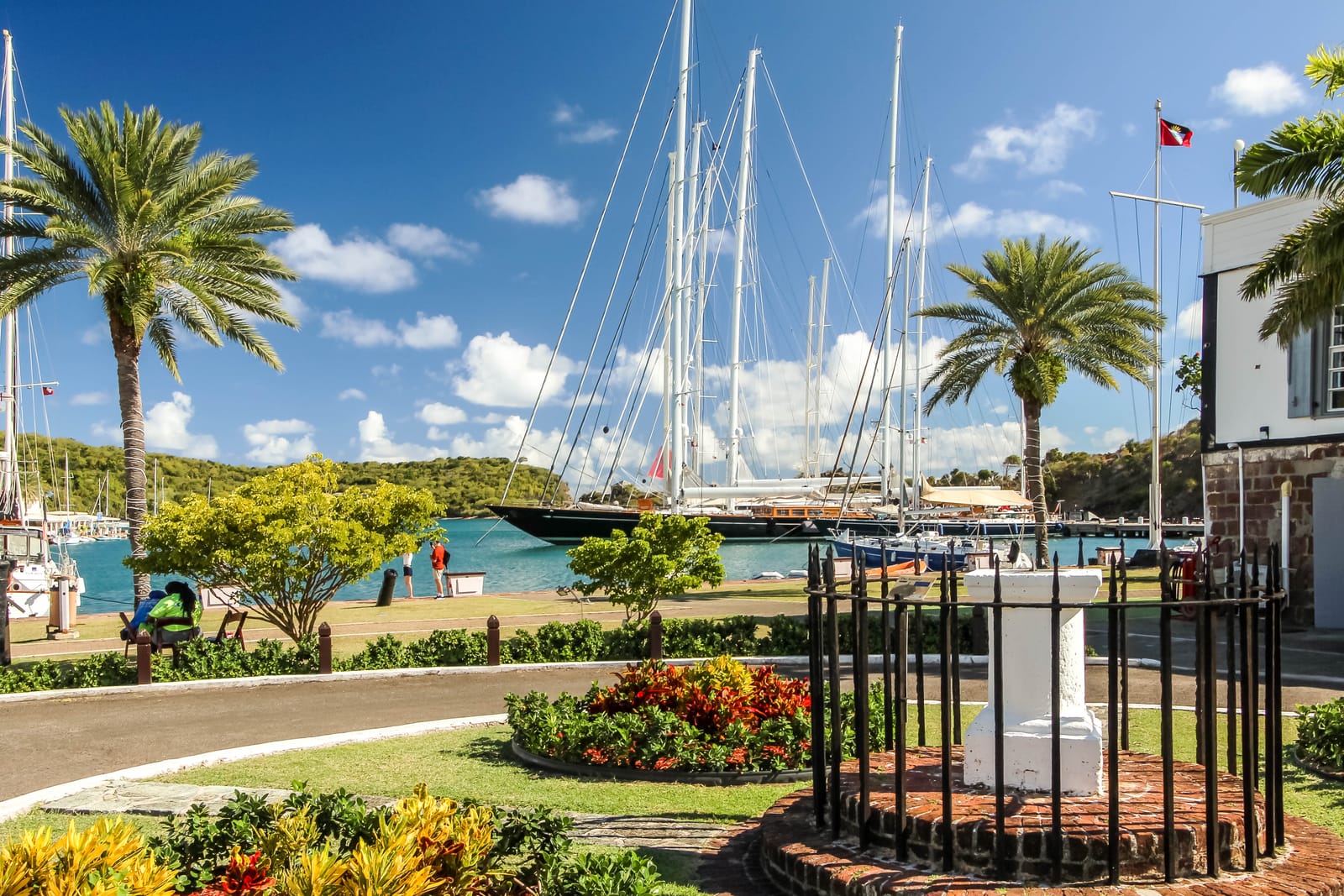
Georgian brick buildings and moored yachts at Nelson’s Dockyard, English Harbour Heritage & history

Nelson’s Dockyard

A Georgian naval base still in business

The only continuously working Georgian dockyard left anywhere in the world, and Antigua’s UNESCO World Heritage site. Horatio Nelson was based here in the 1780s; today the restored capstan house, sail loft and officers’ quarters sit among superyachts, museums and waterfront cafés in English Harbour.
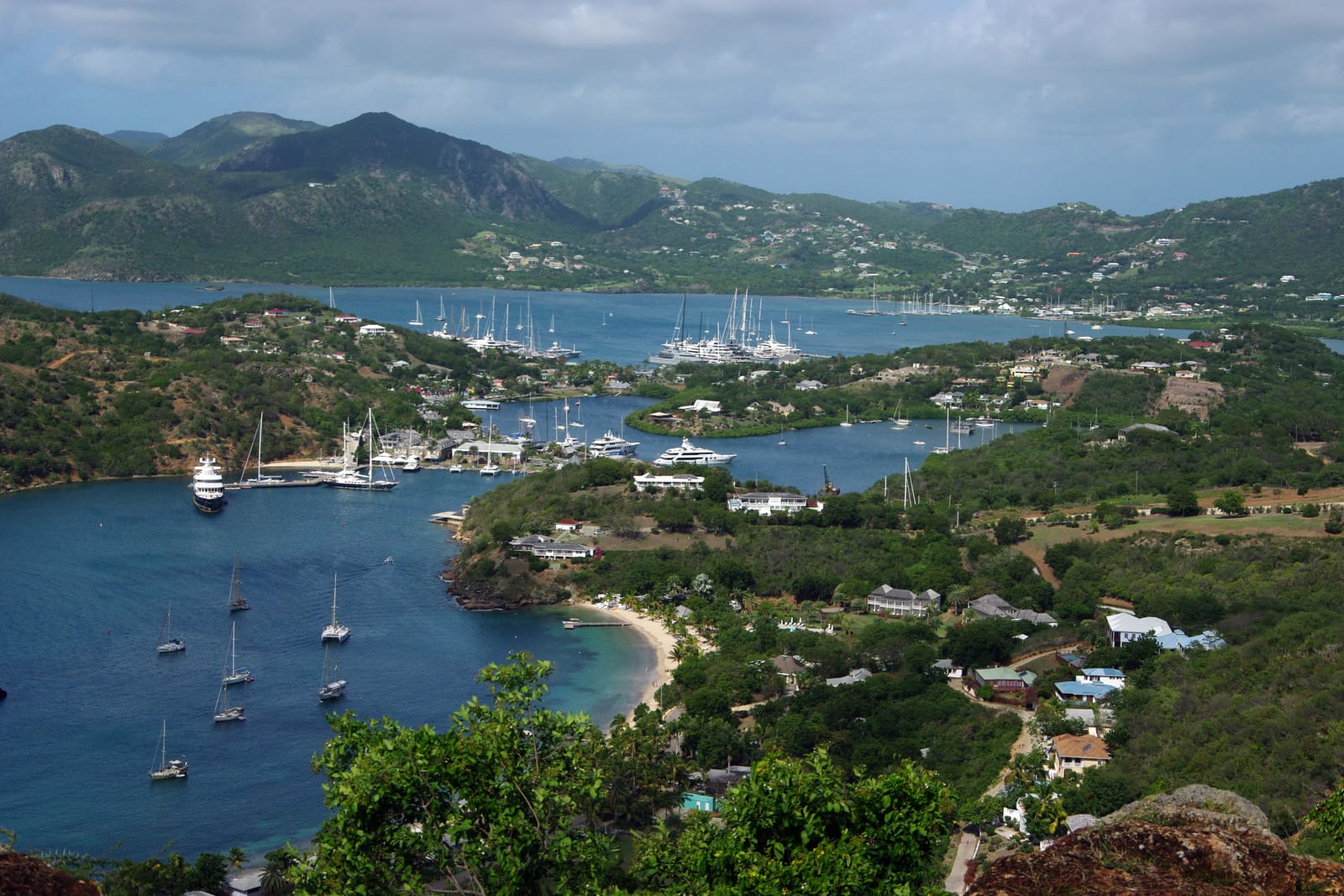
The view over English Harbour and Falmouth Harbour from Shirley Heights Heritage & history

Shirley Heights

The view, and the party

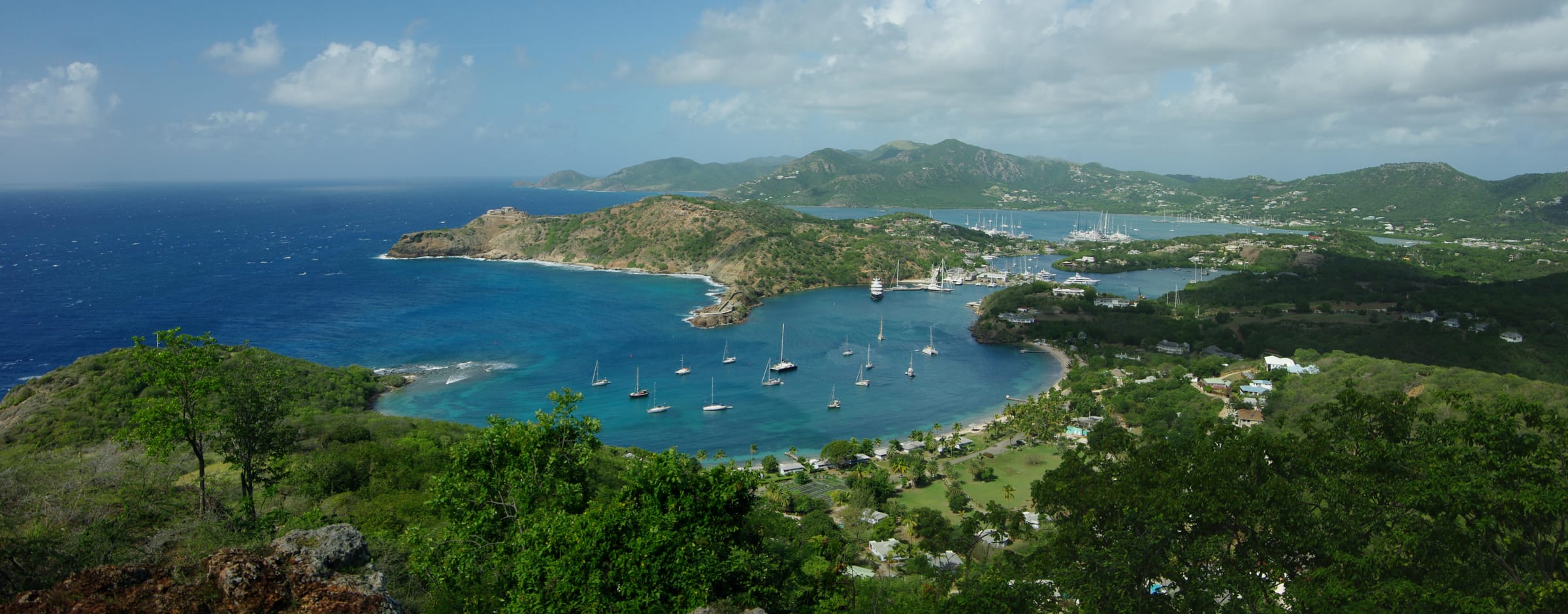
A ruined 18th-century military lookout 150 m above English Harbour, with the most photographed view in Antigua — two deep harbours, green headlands and Montserrat on the horizon. On Sunday evenings it becomes the island’s legendary barbecue and steel-pan party.

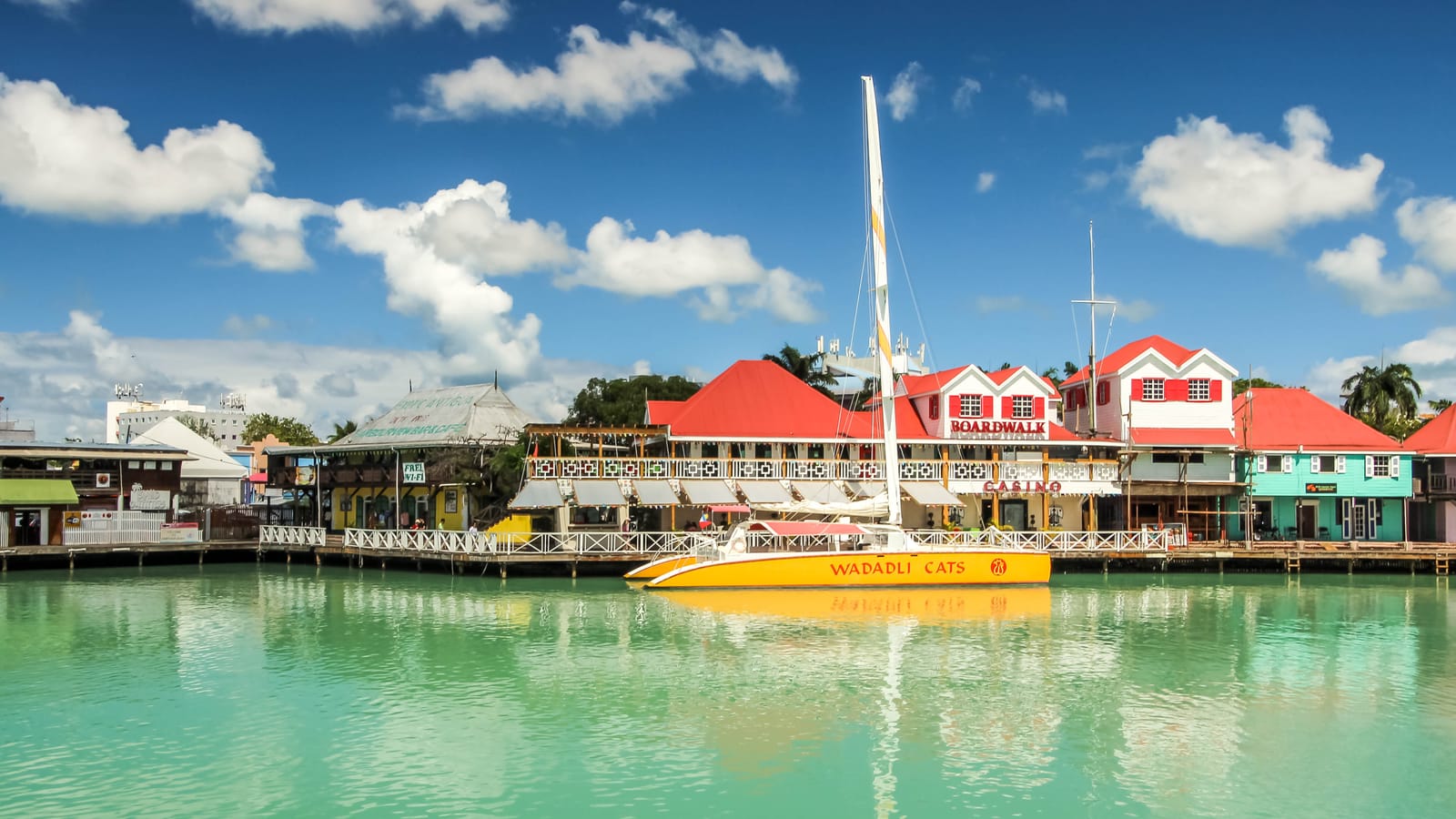
Colourful streets and the cruise-port waterfront of St John’s, Antigua Heritage & history

St John’s

The capital, the market and the quays

A working Caribbean capital of about 22,000 people, where two white baroque towers rise above a grid of shopfronts and rum shops. Heritage and Redcliffe Quay bring the cruise crowds; the Saturday public market, the Museum of Antigua and Barbuda and the back streets are where the city actually happens.

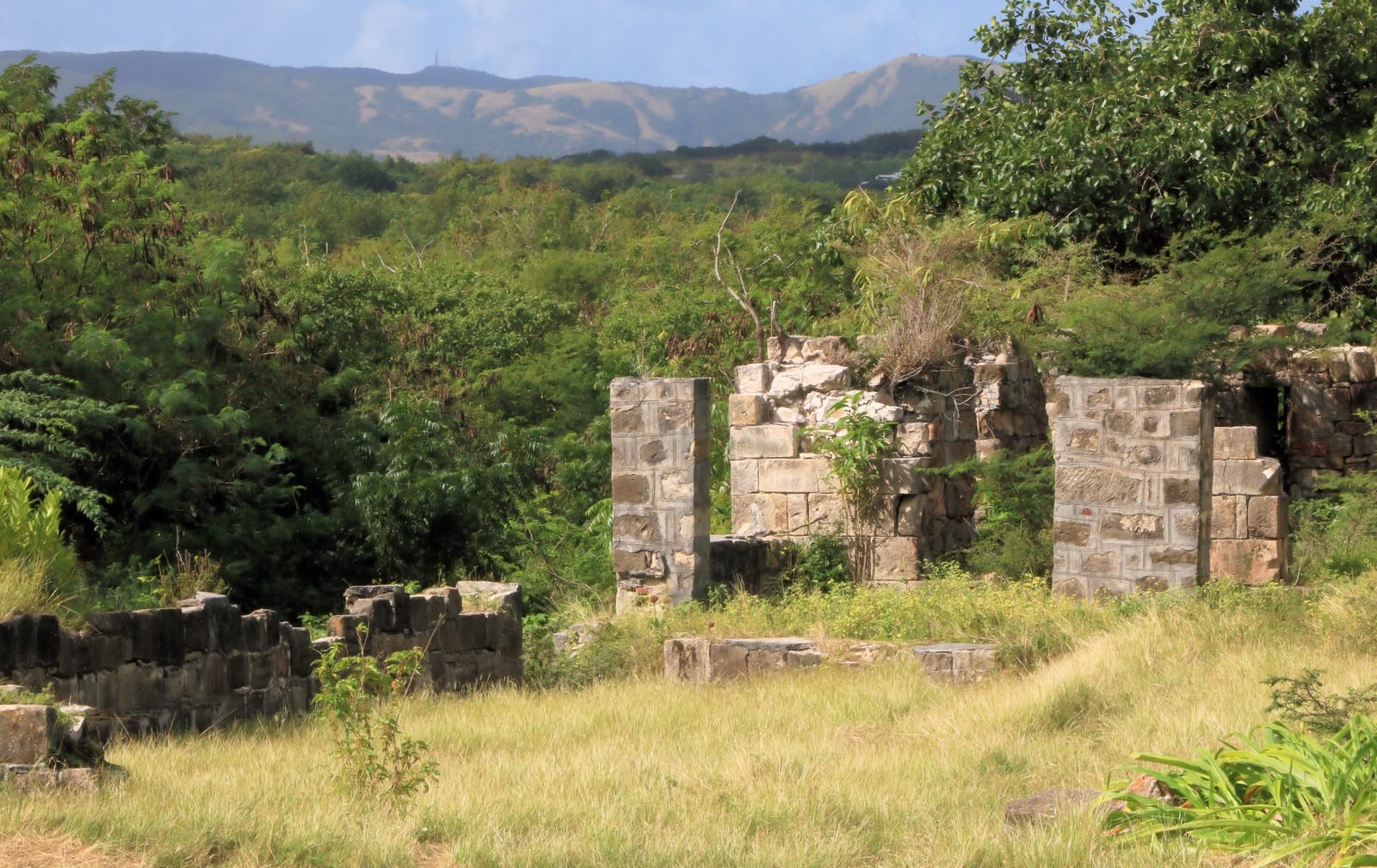
Restored stone sugar windmill at the Betty’s Hope plantation, Antigua Heritage & history

Betty’s Hope

Where Antigua’s sugar story starts

The island’s first large sugar estate, founded in the 1650s and worked for three centuries by enslaved Africans and their descendants. One of its twin windmills has been restored to working order, and the small visitor centre tells the plantation story without flinching from it.

Beaches & bays

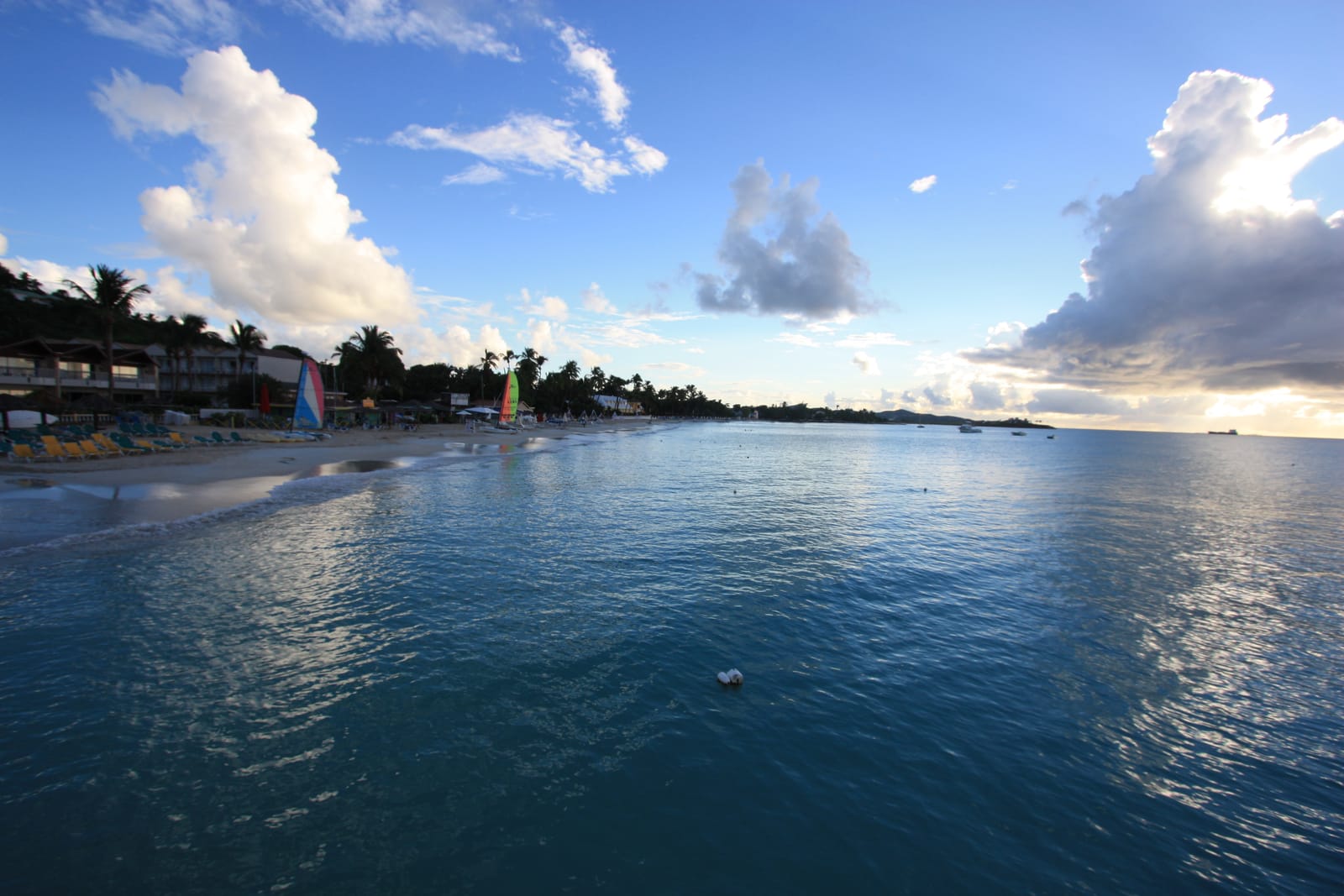
The long pale sand crescent and calm water of Dickenson Bay, Antigua Beaches & bays

Dickenson Bay

The busy, brilliant north-west beach

Antigua’s best-known beach and the heart of the north-west resort strip: a long crescent of pale sand and flat, shallow water, with beach bars, watersports operators and sunset views straight out to sea. Not the quiet option — deliberately.

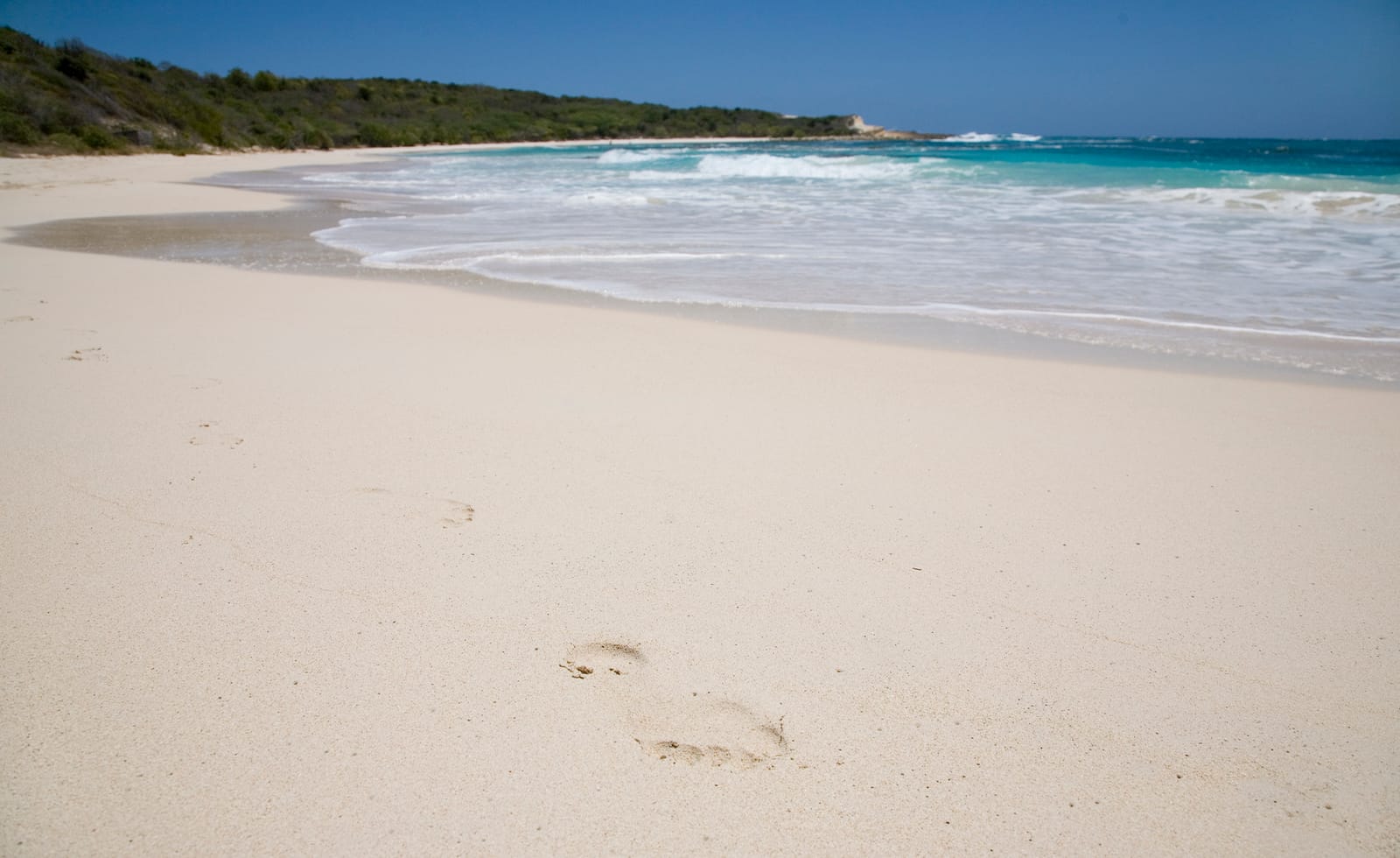
The crescent-shaped sand and turquoise water of Half Moon Bay, Antigua Beaches & bays

Half Moon Bay

A national park in the shape of a crescent

A perfect 1 km arc of sand on the wild south-east coast, protected as a national park and backed by nothing but scrub and sea grape. The reef-sheltered northern end is calm enough to swim; the southern end takes Atlantic swell and is a favourite of bodyboarders.

Palm-shaded sand and calm turquoise water at Ffryes Beach on Antigua’s west coast Beaches & bays

Ffryes Beach

West-coast sunsets and a beach bar

A wide, uncrowded sweep of west-coast sand between Valley Church and Darkwood, with a couple of famous beach bars, easy parking and the best sunset on the island for anyone who can’t face the drive up to Shirley Heights.

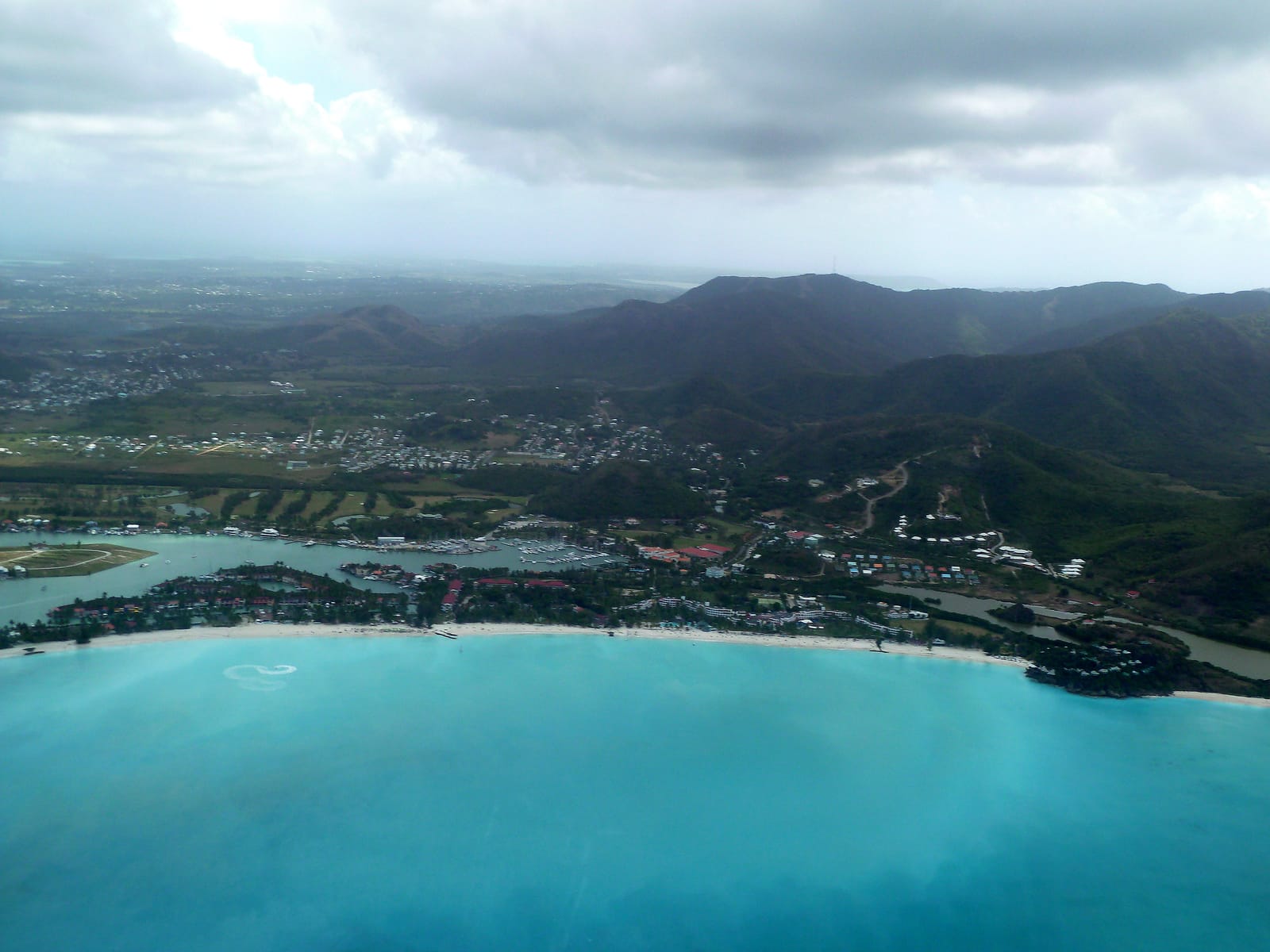
The marina, villas and beach at Jolly Harbour on Antigua’s west coast Beaches & bays

Jolly Harbour

Marina village and the long west beach

A purpose-built marina village on the west coast with a supermarket, a golf course, restaurants around the docks and the long sweep of Jolly Beach next door. The most practical base on the island for self-catering, boats and families who want everything walkable.

Nature & wild coast

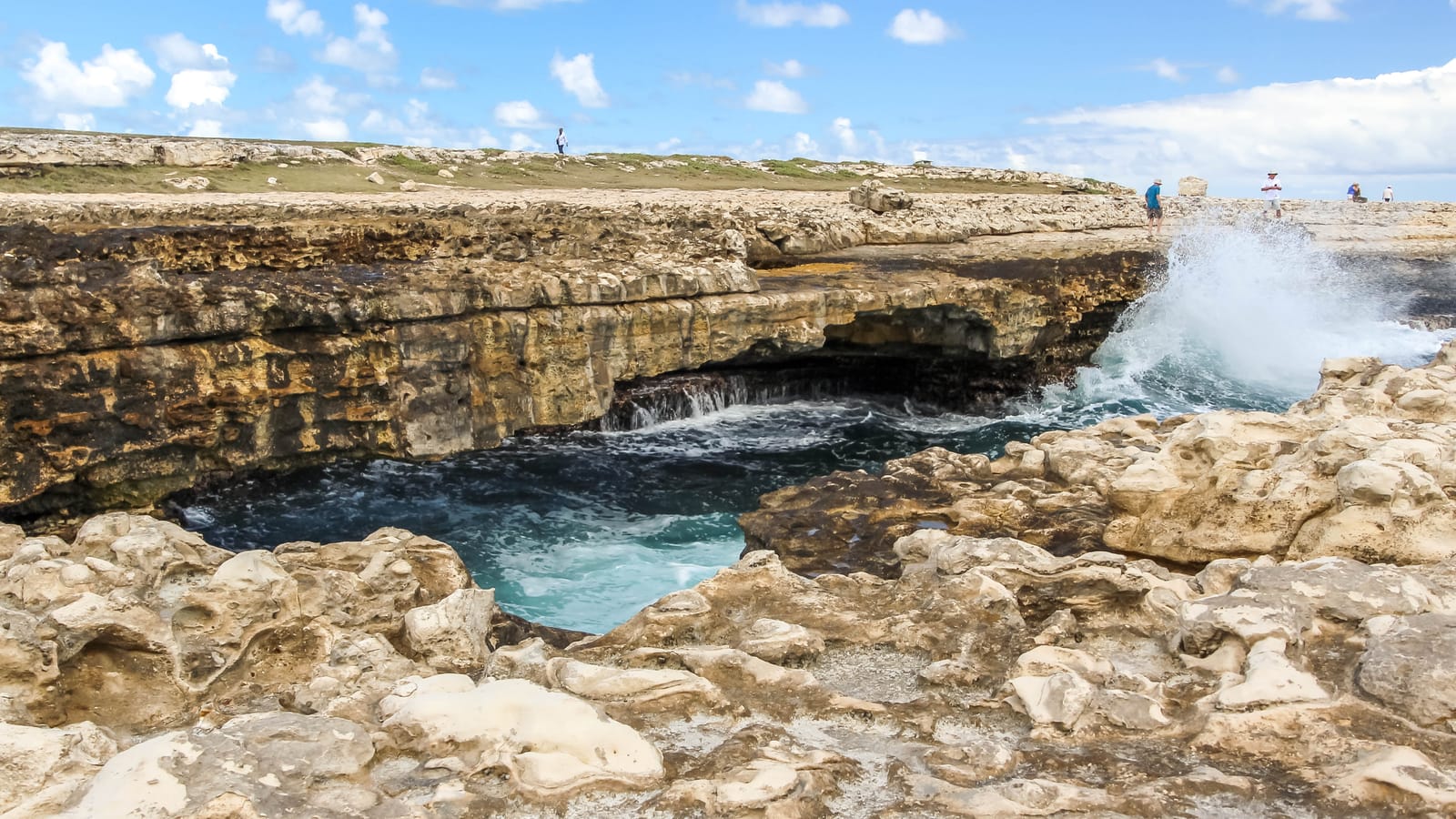
The natural limestone arch of Devil’s Bridge on Antigua’s Atlantic coast Nature & wild coast

Devil’s Bridge

Atlantic power carved into limestone

At Indian Town Point on the far east coast, the Atlantic has cut a natural limestone arch and a field of blowholes that spout on every big swell. It is raw, windy and genuinely dangerous close to the edge — and the most dramatic ten minutes of coast on the island.

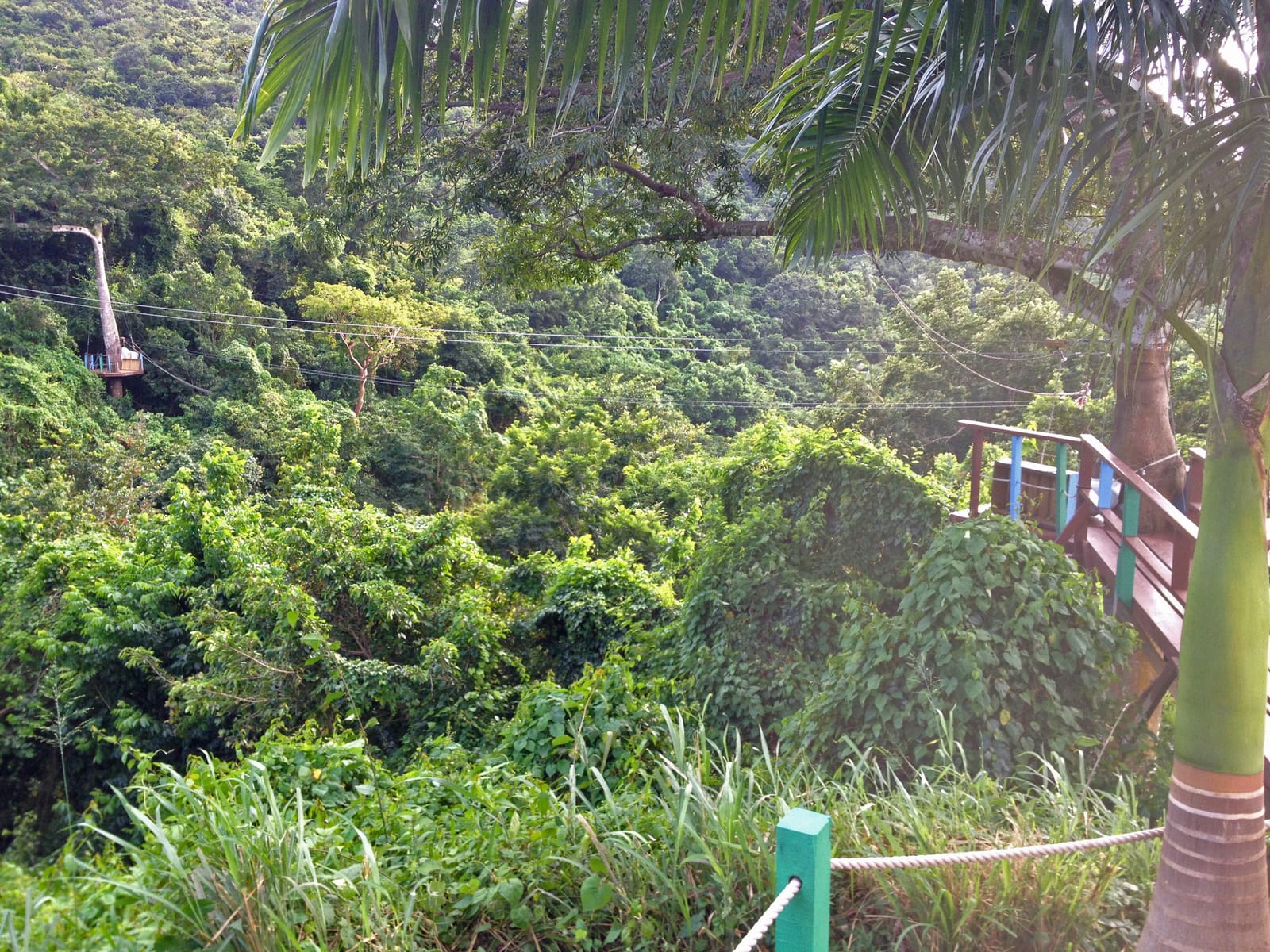
Green wooded ravine along Fig Tree Drive in Antigua’s south-western hills Nature & wild coast

Fig Tree Drive

The island’s only rainforest road

A 12 km lane through the green south-western hills, where mango, banana (the local “fig”) and breadfruit crowd the road and fruit stalls appear at every bend. It links Old Road to Swetes past the zipline park and the trailheads for Mount Obama, Antigua’s highest point.

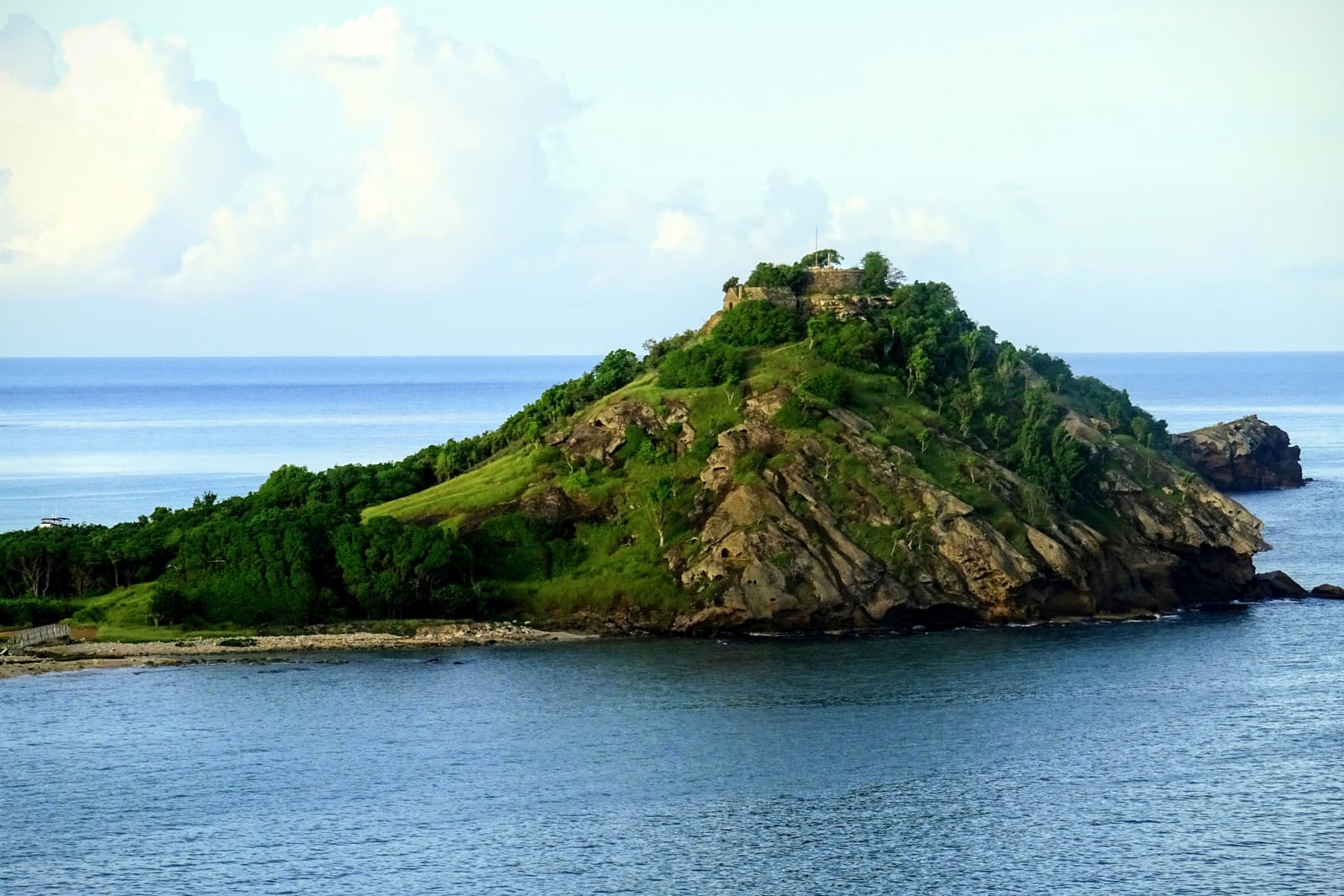
A small uninhabited green island in Antigua’s North Sound Nature & wild coast

Great Bird Island

An uninhabited islet in the North Sound

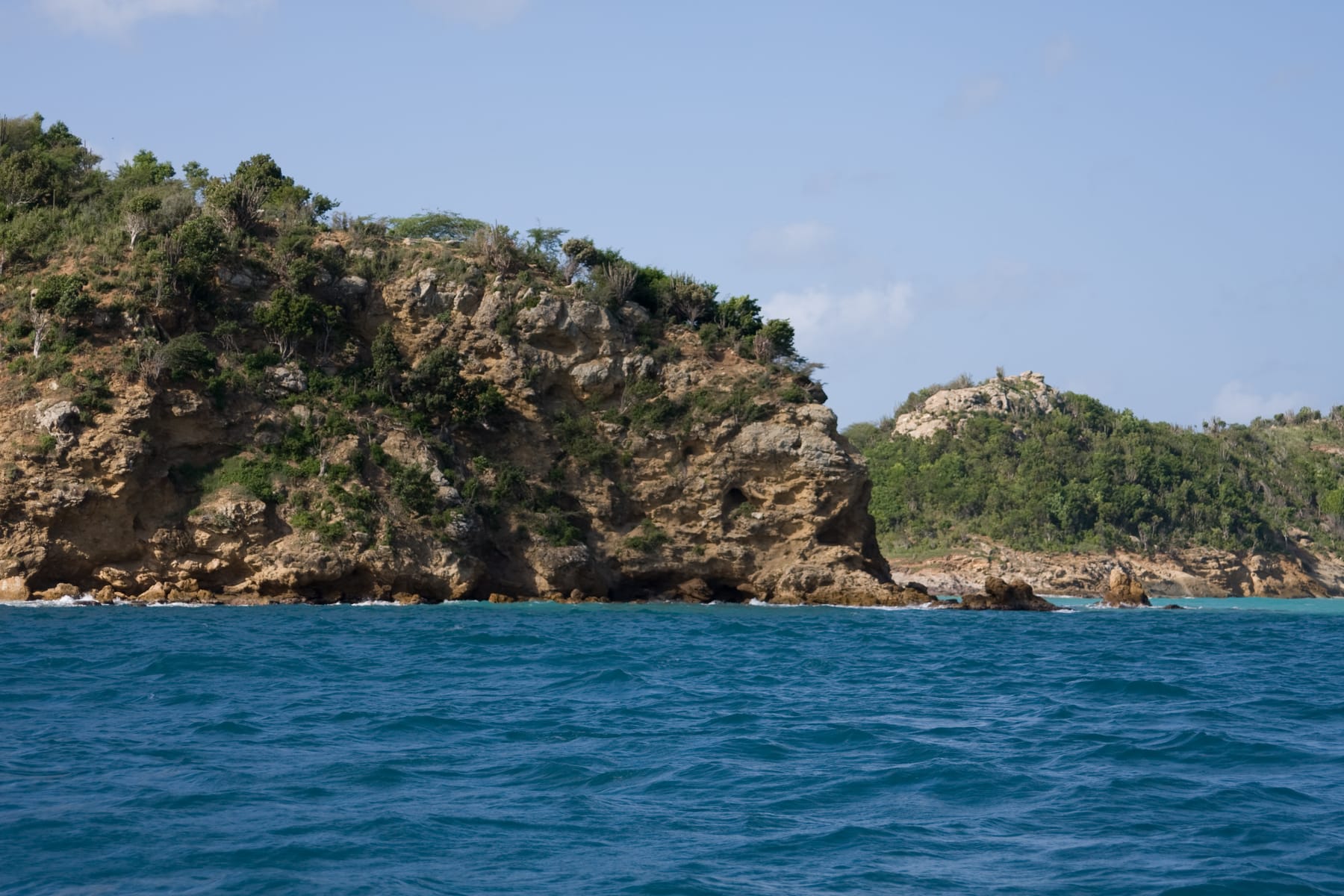
A small, empty island 15 minutes off the north-east coast, with a beach on one side, low cliffs full of nesting red-billed tropicbirds on the other, and shallow reef in between. It is also the last refuge of the Antiguan racer, once the rarest snake on earth.

Barbuda

The pale pink sand and empty shoreline of Barbuda’s west-coast beach Barbuda

Barbuda’s Pink Sand Beach

Seventeen miles, almost nobody

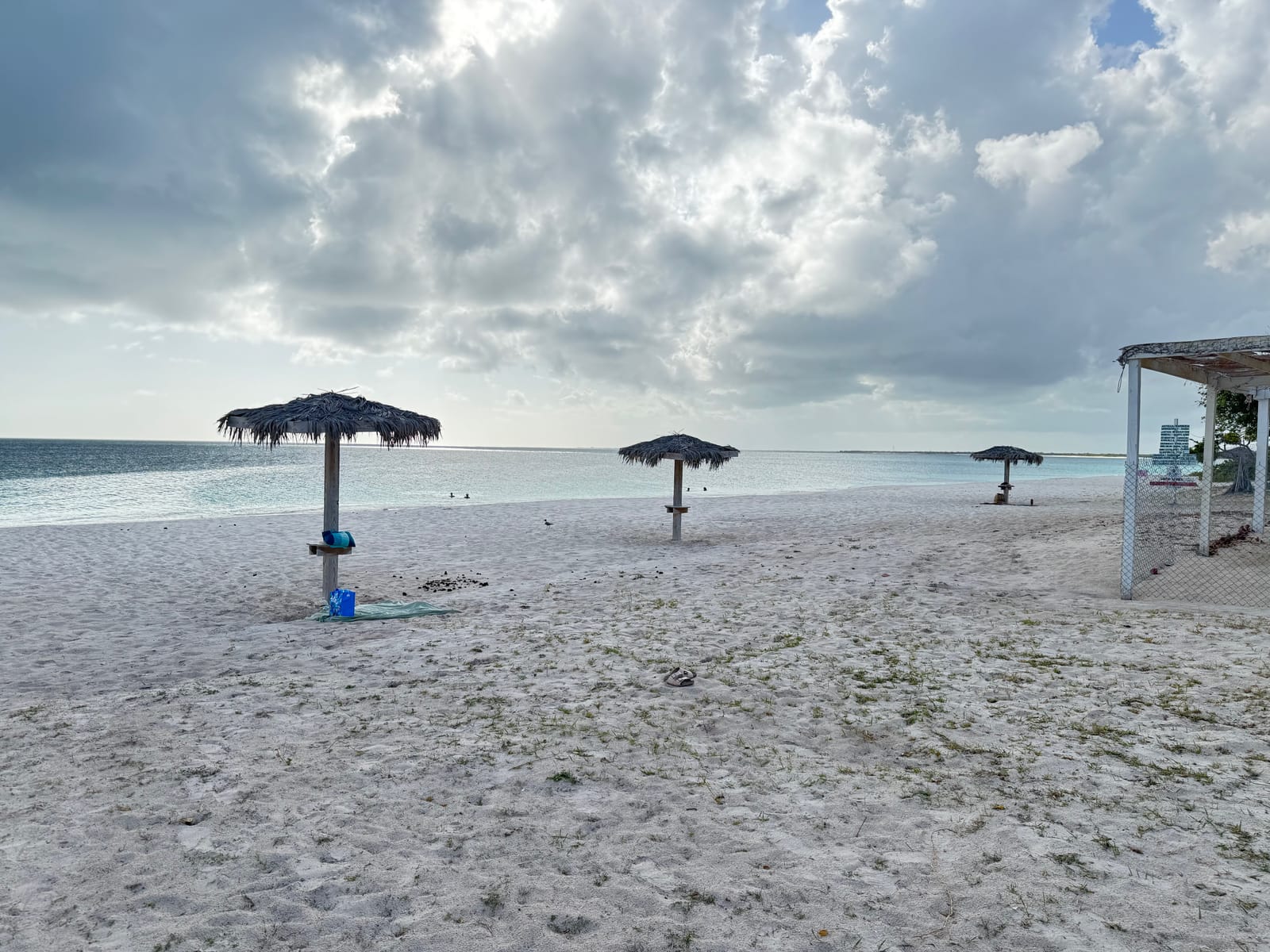
The west coast of Barbuda is one continuous beach — often called 17 Mile Beach — where crushed pink coral tints the sand a pale rose. Behind it sits Codrington Lagoon and the largest magnificent frigate bird colony in the Western Hemisphere. It is 90 minutes by ferry from Antigua, and worth every one of them.

Plan your island days

Make Antigua and Barbuda the trip you never stop talking about

A beach for every day of the year, a UNESCO-listed Georgian dockyard, warm water in every month and a sunset party that has run for four decades. Compare tours, tickets and cruises and book in a couple of taps.