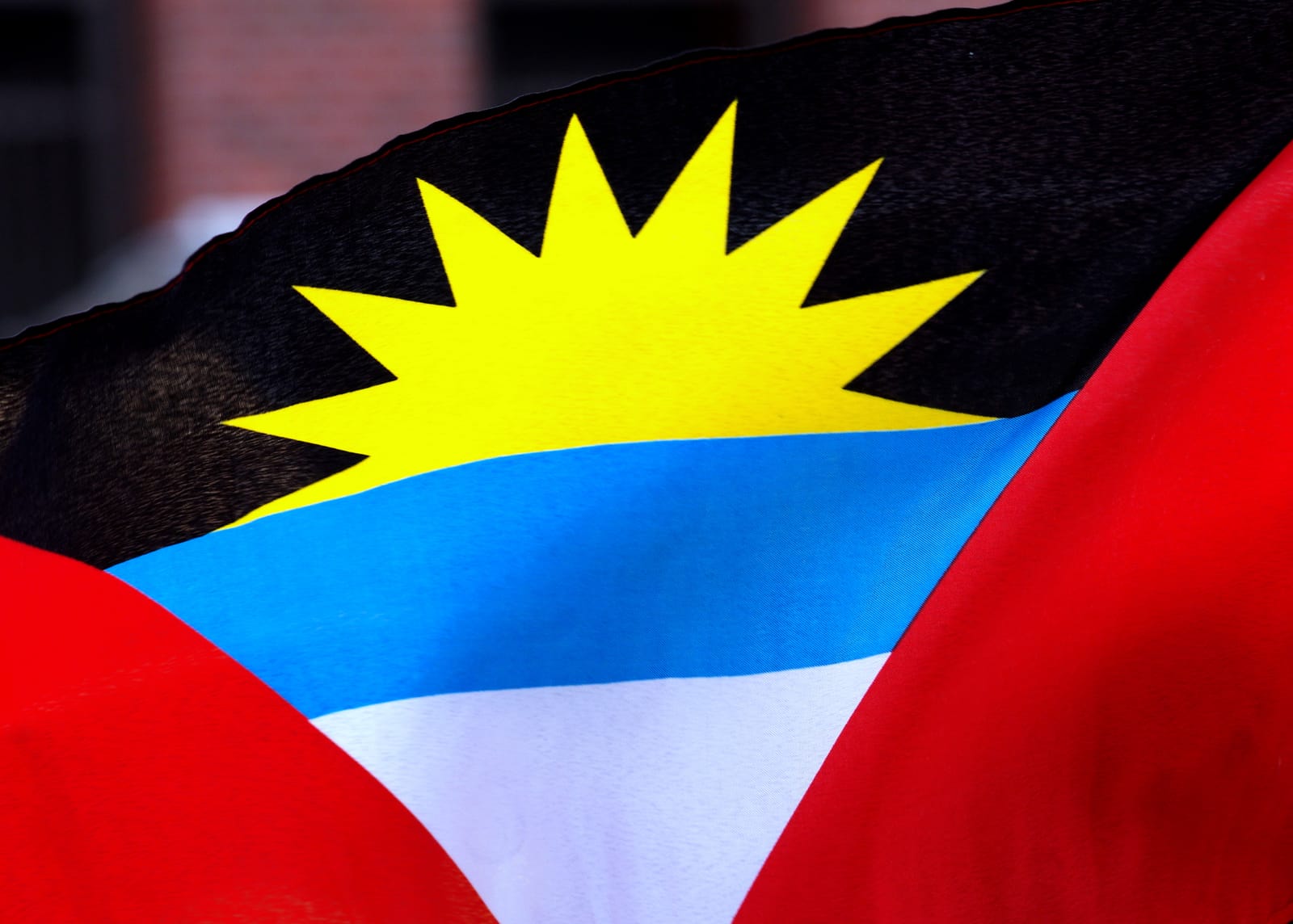
Antigua and Barbuda is a two-island nation of about 93,000 people in the Leeward Islands, independent from Britain since 1 November 1981 and still a Commonwealth realm. English is the official and everyday language, which makes it one of the most straightforward Caribbean countries to travel in.
What follows is the practical stuff: what things cost, what to eat, how to behave, what to pack and when the island is at its most alive.
Money, costs and tipping
The currency is the East Caribbean dollar (XCD), pegged at EC$2.70 to US$1. US dollars are accepted almost everywhere, but you will often get change in EC and at a slightly worse rate — paying in EC is marginally cheaper. Cards work in hotels, restaurants and supermarkets; carry cash for buses, roadside stalls, beach vendors and anything on Barbuda.
Antigua is not a budget destination. Almost everything except fish and fruit is imported, and a mid-range restaurant main sits around US$25–35. The cheap end is genuinely cheap, though: a roti or a plate of local food from a stall is US$6–10, a bus ride is under US$2, and every beach is free.
- Currency: East Caribbean dollar (EC$), fixed at EC$2.70 = US$1
- Many restaurants add 10% service; if not, 10–15% is normal
- A 15% ABST sales tax applies to most goods and services
- ATMs are common in St John’s and the resort areas, scarce on Barbuda
Food and drink
The national dish is pepperpot and fungee — a slow-cooked stew of meat, salted pork and greens served with a firm cornmeal-and-okra dumpling. Look out for ducana (sweet potato and coconut steamed in a banana leaf), saltfish, goat water and conch, and for the Antigua Black pineapple, grown in the south-west and genuinely one of the sweetest anywhere.
Rum is the drink: English Harbour and Cavalier are both distilled on the island, and a rum punch is the default beach order. Wadadli is the local beer, named after the Arawak name for Antigua. Tap water is desalinated and treated and is generally considered safe, though many visitors stick to bottled.
Culture, etiquette and what to wear
Antiguans dress neatly and greet properly. A good morning or good afternoon before you ask a question is not optional politeness here, it is the normal way to open a conversation, and skipping it reads as rude. Beachwear stays on the beach: cover up in town, in shops and especially in church.
Photograph people only with permission. Cricket is not a sport here so much as a shared identity — the Sir Vivian Richards Stadium hosts international matches, and mentioning Viv Richards or Curtly Ambrose is a reliable way to start a warm conversation. The country is also candid about its plantation history; the sites that deal with it, like Betty’s Hope, do so directly rather than decoratively.
Events worth planning around
Antigua Sailing Week (late April to early May) is one of the world’s major regattas and turns English Harbour and Falmouth into a continuous party. Carnival runs from late July to the first Tuesday in August, centred on St John’s — calypso, steel pan, j’ouvert at dawn and the Parade of Bands.
Independence Day is 1 November, with a parade and a national dress day. The Shirley Heights party happens every Sunday and Thursday year-round, and the Antigua Charter Yacht Show in early December fills the south coast with superyachts.
Safety, health and what to pack
Antigua is a low-crime destination by regional standards and visitors rarely have problems. Use ordinary city sense in St John’s after dark, do not leave valuables in hire cars — especially at remote beach car parks — and be aware that there are no lifeguards on public beaches and that the Atlantic side can have rip currents.
No vaccinations are required for most travellers. The sun is the real hazard: it is 17° north, the UV index regularly hits 11, and reef-safe sunscreen, a hat and an umbrella matter more than anything else in your bag. Mosquito repellent is worth carrying, particularly around dusk in the wet season.
- Electricity: 110V and 230V both in use — bring a UK (Type G) and a US (Type A/B) adapter
- Time: Atlantic Standard Time, UTC−4, no daylight saving
- Emergency number: 911 (or 999)
- Pack reef shoes, reef-safe sunscreen and a beach umbrella; buy the rest there