Skip to content
Nature & wild coast

Great Bird Island

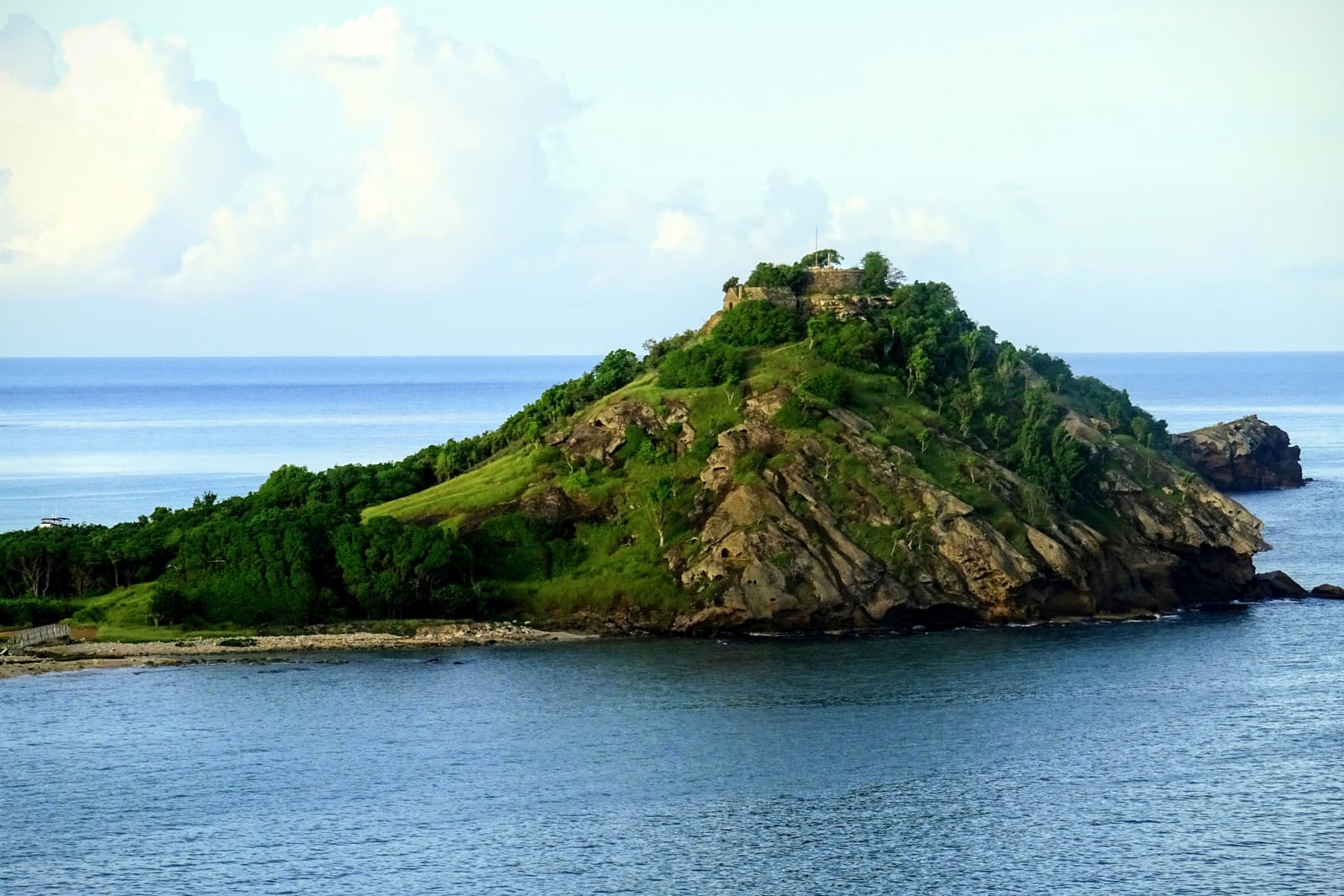
An uninhabited islet in the North Sound

Great Bird Island is a twenty-hectare speck of rock and scrub in the North Sound, the shallow reef-filled bay across the top of Antigua’s north-east coast. It is uninhabited, protected, and reachable only by boat — fifteen minutes from the mainland, and about as far from a resort as this island gets.

It matters out of all proportion to its size. The low cliffs on the eastern side are a nesting site for red-billed tropicbirds, and the island is the stronghold of the Antiguan racer, a harmless snake that was down to about fifty individuals in the 1990s and was then the rarest snake in the world. A rat-eradication programme across the North Sound islands has since brought it back into the hundreds.

Top things to do at Great Bird Island

  1. Climb to the cliff edge

    A ten-minute scramble across the middle of the island reaches a clifftop looking east over open Atlantic, with tropicbirds turning below you. It is the reason to come.

  2. Snorkel the shallow reef

    The water between the islands is shallow, clear and inside a marine park. Most boat trips anchor for a snorkel stop over reef on the sheltered side.

  3. Swim from the beach

    The small western beach where boats land is calm, shallow and shaded at the edges — an easy place to spend an hour between the walk and the snorkelling.

  4. Look for the racer

    The Antiguan racer is shy, harmless and hard to spot, but guides know where it turns up. Even without a sighting, the recovery story is one of the Caribbean’s best conservation successes.

How to get to Great Bird Island

  • By boat only: trips leave from Jolly Harbour, St John’s and the north-east coast. Catamaran day trips, transparent-hull boats and small-group charters all run to the North Sound islands.
  • Crossing time is roughly 15–40 minutes depending on your departure point; the North Sound is sheltered, so it is a calm ride in most conditions.

Insider tips

  • There are no facilities of any kind — no toilets, no shade beyond the trees, no water. Whatever you need, bring it, and take your rubbish home.
  • Reef shoes help on the landing beach and are essential if you plan to walk the rocky middle of the island.
  • Stay on the paths. The scrub is nesting habitat, and the whole North Sound is a protected area.

Best tours & tickets for Great Bird Island

These top-rated experiences are the easiest way to enjoy Great Bird Island and the coast around it:
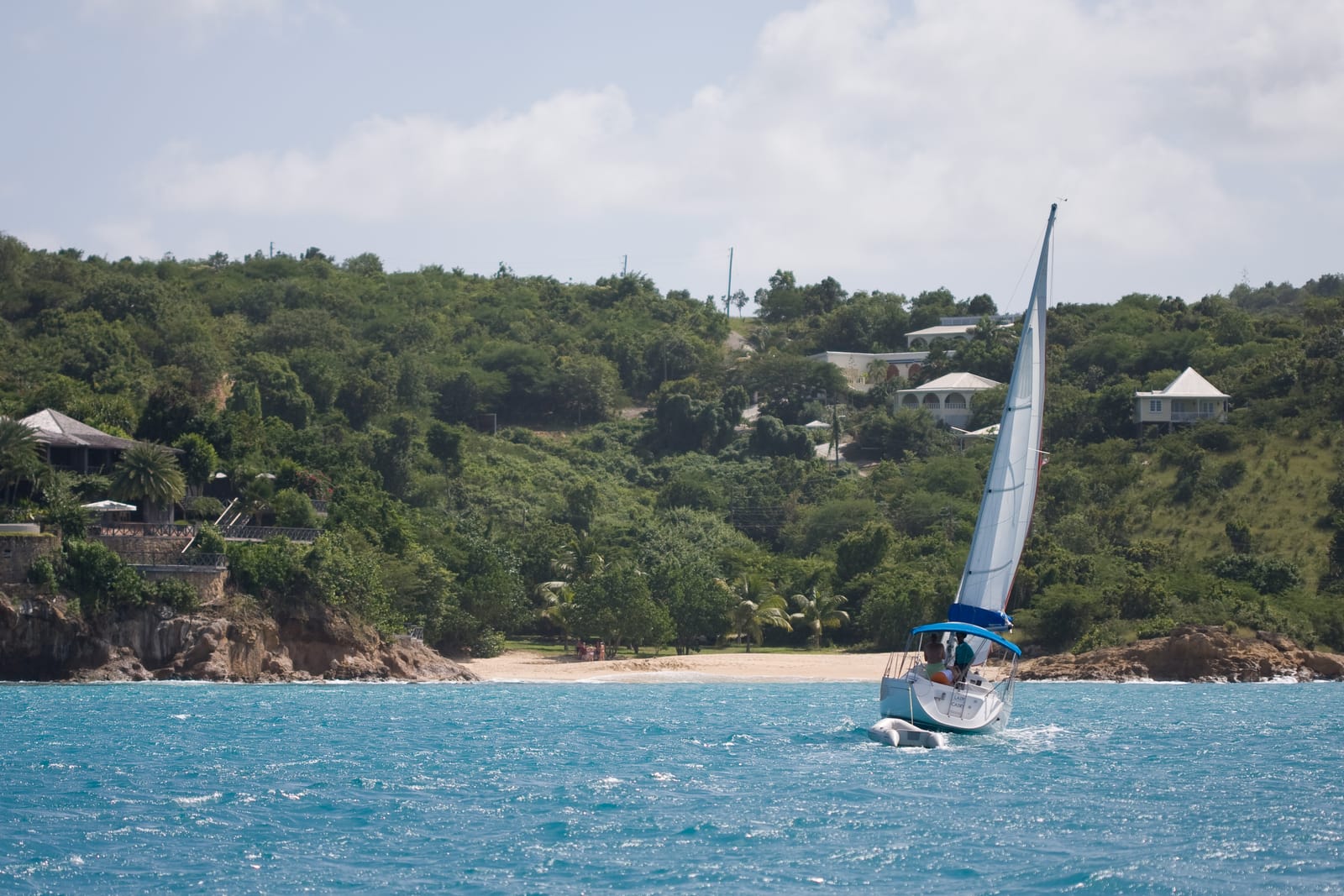
A small uninhabited green island in Antigua’s North Sound Kayak, boat & snorkel trip from $149
🕒 Approx. 4 hours 📍 St John’s, with hotel and cruise-port pickup ⭐ 4.9 (14)

Antigua: Kayak, Snorkel & Great Bird Island Day Trip

Rated 4.9 across a solid run of reviews, this is the best single day on the water in Antigua. You paddle out through the mangroves, cross to Great Bird Island — uninhabited, protected and home to nesting red-billed tropicbirds — climb ten minutes to the cliff edge for the view east over open Atlantic, then snorkel the reef and swim off the beach. Three genuinely different things in one four-hour trip, all inside the North Sound marine park.

  • Paddle the sheltered mangrove channels of the North Sound
  • Land on Great Bird Island and climb to the tropicbird cliffs
  • Guided snorkel over shallow reef inside the marine park
A small uninhabited island in Antigua’s North Sound Boat tour & snorkel from $94
🕒 Approx. 3 hours 📍 Jolly Harbour / St John’s, with pickup ⭐ 5.0 (2)

Antigua: Transparent Boat Tour to Bird & Hell’s Gate Islands

Antigua’s North Sound is a maze of uninhabited islets and reef inside a protected marine park, and the transparent-hulled boat is a smart way to see it — the coral, rays and fish are visible from your seat, which suits mixed groups where not everyone wants to swim. Great Bird Island gives you a ten-minute climb to a cliff edge with tropicbirds wheeling below, and Hell’s Gate is the arch every Antiguan photograph eventually gets around to.

  • See-through hull, so the reef is visible without getting in
  • Great Bird Island — nesting red-billed tropicbirds and a short cliff walk
  • Hell’s Gate, a natural limestone arch standing out of the sea
Clear shallow reef water off the coast of Antigua Small-group boat & snorkel trip from $149
🕒 Approx. 4 hours 📍 St John’s, with hotel and cruise-port pickup ⭐ 5.0 (3)

Antigua: Guided Green Island Snorkel with Sea Turtles

Antigua’s reefs sit inside a marine park, and the sea-grass beds around Green Island are where turtles come to feed — which makes this one of the most reliable turtle encounters in the eastern Caribbean. Groups are kept small, guides get in the water with you, and gear is included, so it works just as well for a nervous first-timer as for a confident snorkeller. Expect calm, waist-to-chest-deep water for most of the stop, plus rum punch on the way back.

  • Snorkel with green and hawksbill turtles in their feeding grounds
  • Protected reef water inside the North Sound Marine Park
  • Small group with in-water guides and all snorkel gear

Great Bird Island FAQs

How do you get to Great Bird Island?

Only by boat. Catamaran day trips, transparent-hull tours and private charters run from Jolly Harbour, St John’s and the north-east coast, generally as half-day or full-day trips with a snorkel stop.

Can you stay overnight on Great Bird Island?

No. It is an uninhabited protected island with no facilities and no accommodation, and camping is not permitted.

Is the Antiguan racer dangerous?

Not at all. It is non-venomous, feeds on lizards and avoids people. It was once the rarest snake on earth, and the North Sound islands are the reason it still exists.

Nearby places

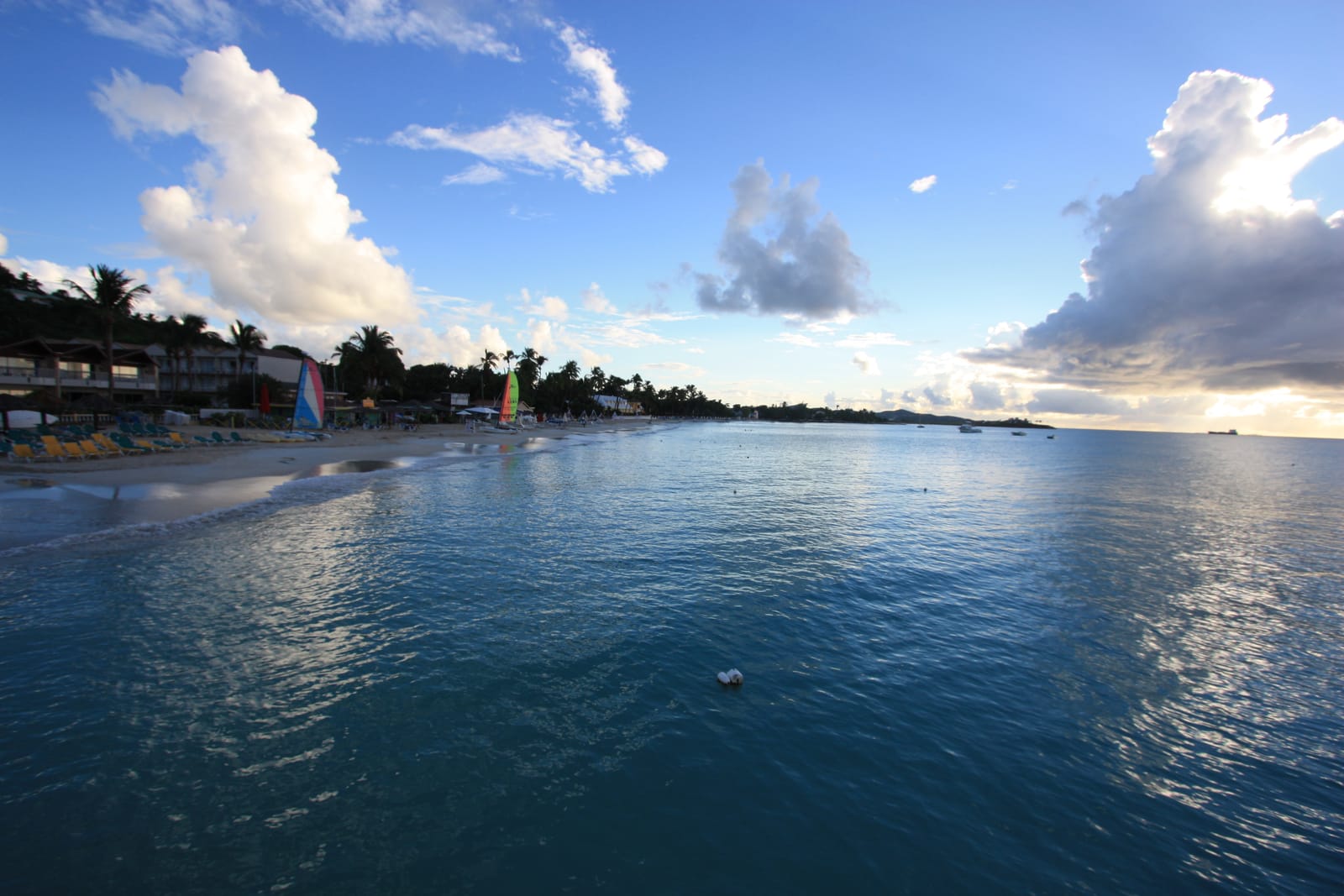
The long pale sand crescent and calm water of Dickenson Bay, Antigua Beaches & bays

Dickenson Bay

The busy, brilliant north-west beach

Antigua’s best-known beach and the heart of the north-west resort strip: a long crescent of pale sand and flat, shallow water, with beach bars, watersports operators and sunset views straight out to sea. Not the quiet option — deliberately.

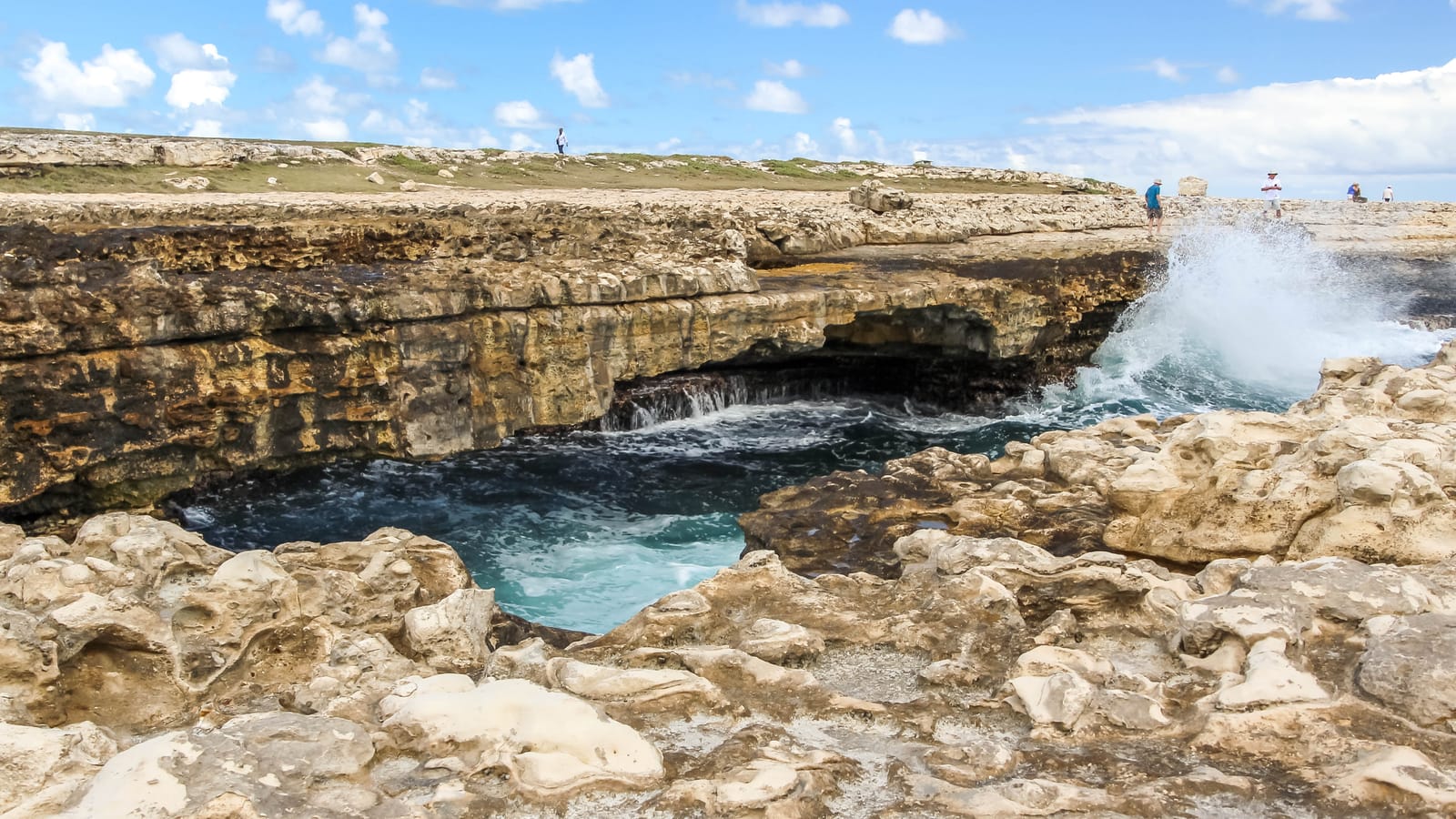
The natural limestone arch of Devil’s Bridge on Antigua’s Atlantic coast Nature & wild coast

Devil’s Bridge

Atlantic power carved into limestone

At Indian Town Point on the far east coast, the Atlantic has cut a natural limestone arch and a field of blowholes that spout on every big swell. It is raw, windy and genuinely dangerous close to the edge — and the most dramatic ten minutes of coast on the island.

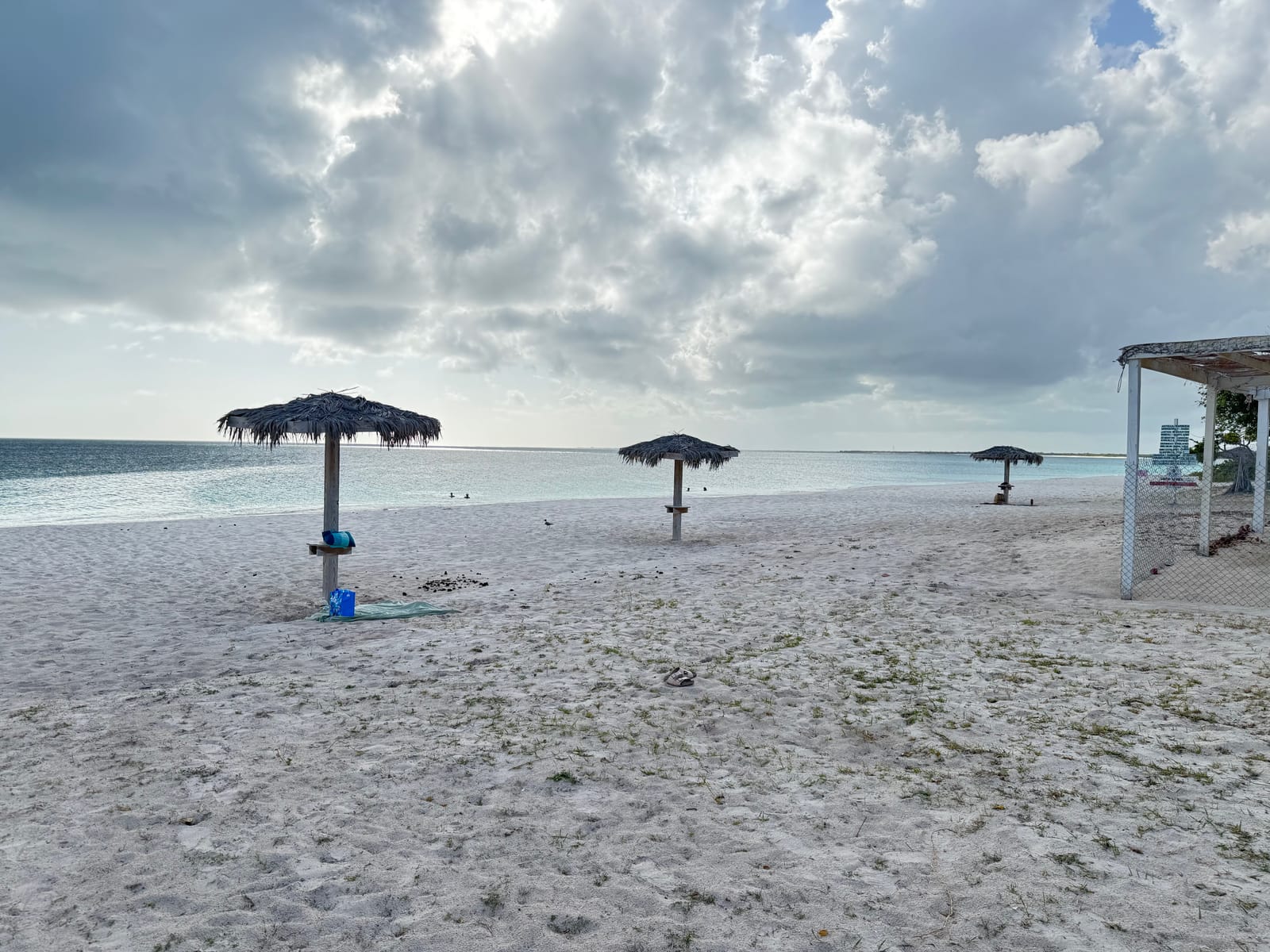
The pale pink sand and empty shoreline of Barbuda’s west-coast beach Barbuda

Barbuda’s Pink Sand Beach

Seventeen miles, almost nobody

The west coast of Barbuda is one continuous beach — often called 17 Mile Beach — where crushed pink coral tints the sand a pale rose. Behind it sits Codrington Lagoon and the largest magnificent frigate bird colony in the Western Hemisphere. It is 90 minutes by ferry from Antigua, and worth every one of them.

Plan your island days

Make Antigua and Barbuda the trip you never stop talking about

A beach for every day of the year, a UNESCO-listed Georgian dockyard, warm water in every month and a sunset party that has run for four decades. Compare tours, tickets and cruises and book in a couple of taps.